Symptoms of Cervical Osteophytosis
Aug 24, 2022
Source: Cainiu Health

Dr. Lin Yunfei
Introduction
When cervical osteophytosis (bone spurs) develops, patients may experience significant neck and shoulder pain, numbness in both hands, lower limb weakness, dizziness and nausea, severe urinary incontinence, hypertension, cardiovascular and cerebrovascular diseases, angina pectoris, gastritis, and even paralysis. The most prominent symptom of cervical osteophytosis is neck and shoulder pain; at this time, patients experience pain in the neck and shoulder regions.
Due to the physiological degeneration of bones and joints, middle-aged and elderly individuals are prone to cervical spondylosis (cervical osteophyte formation). Nowadays, some younger people—due to prolonged forward head posture—are also increasingly susceptible to this condition. If left untreated or if the disease progresses severely, it may lead to gait instability, urinary incontinence, and even paralysis. Therefore, prompt medical intervention is essential upon noticing any abnormal symptoms. So, what are the symptoms of cervical spondylosis?
Symptoms of Cervical Spondylosis
When cervical osteophytes develop, patients commonly experience pronounced neck and shoulder pain, numbness in both hands, lower limb weakness, dizziness and nausea, severe urinary incontinence, hypertension, cerebrovascular or cardiovascular diseases, angina pectoris, gastritis, and even paralysis. The most prominent symptom of cervical spondylosis is neck and shoulder pain. Patients typically report persistent discomfort or aching in these areas; in severe cases, sharp, stabbing pain may occur. When osteophytes compress spinal nerve roots, patients often experience numbness in both hands—sometimes with a sensation akin to electric tingling in the fingertips. In advanced stages, patients may lose the ability to grip objects firmly; items may slip from their hands unexpectedly.

In particularly severe cases—especially when osteophytes form on the cervical spinous processes—symptoms may extend to the lower limbs, causing weakness, unsteady gait, and numbness in both feet. Patients often describe walking as though “on cotton.” Cervical spondylosis can impair cerebral blood flow and oxygenation, resulting in chronic dizziness and, occasionally, decreased visual acuity. Severe cervical involvement may also affect bladder control, leading to urinary dysfunction or incontinence. Without timely treatment, the condition may progress unchecked, potentially triggering complications such as hypertension, cerebrovascular or cardiovascular disorders, and—in extreme cases—paralysis, all of which significantly compromise quality of life.
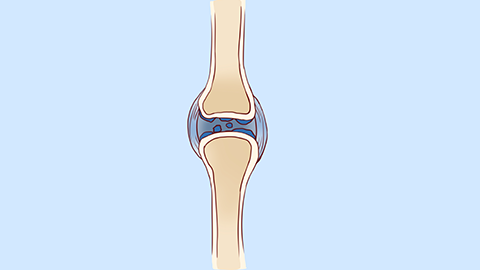
It is advisable to consume calcium-rich foods, especially for older adults—who constitute the majority of cervical spondylosis patients—as they are at higher risk of osteoporosis. Osteoporosis compromises spinal stability and may exacerbate cervical osteophyte formation and associated nerve compression symptoms. We hope this information proves helpful.