


What foods should patients with urticaria avoid eating?
Nov 23, 2024
Source: Cainiu Health

Dr. Liu Wenmin
Introduction
Patients with urticaria usually should avoid foods such as seafood, milk and dairy products, eggs, nuts, and spicy or irritating foods. Daily meals should primarily consist of light, easily digestible foods rich in vitamins and minerals, such as fresh fruits and vegetables, and whole grains. At the same time, patients should identify and avoid potentially allergenic foods based on their individual conditions, using methods such as elimination diets.
Generally, patients with urticaria should avoid certain foods, including seafood, milk and dairy products, eggs, nuts, and spicy or irritating foods. A detailed analysis is as follows:
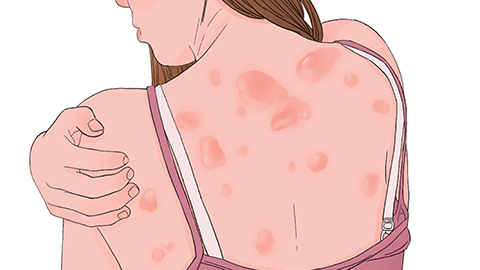
1. Seafood
Seafood such as shrimp, crab, and shellfish are common allergenic foods. They contain abundant proteins, which may easily trigger allergic reactions in patients with urticaria whose immune systems are overly sensitive, potentially worsening the symptoms of urticaria.
2. Milk and dairy products
Milk is a high-protein food; its components such as casein and whey protein may potentially cause allergic reactions. For some patients with urticaria, especially those with allergic constitutions, the immune system might respond abnormally after consuming milk. Dairy products like cheese and cream also contain similar allergenic components.
3. Eggs
Egg whites contain ovalbumin, a potent allergen. When patients with urticaria consume eggs, their immune systems may attack ovalbumin as if it were a foreign antigen, triggering an allergic reaction. This allergic response may not only manifest on the skin as urticarial rashes but may also be accompanied by respiratory symptoms such as coughing and wheezing.
4. Nuts
Nuts such as peanuts, cashews, and almonds are also common allergens. They contain abundant proteins, oils, and other bioactive substances that may cause allergic reactions. Peanut protein is a major allergen found in peanuts, and patients may develop symptoms of urticaria such as skin itching, redness, and wheals shortly after consumption.
5. Spicy and irritating foods
Spicy foods such as chili peppers, Sichuan peppers, and mustard can irritate the skin and mucous membranes, possibly causing dilation of the skin capillaries and making urticarial rashes more pronounced. In addition, these spicy and irritating foods may also irritate the gastrointestinal tract, causing gastrointestinal discomfort.
Patients should normally follow a diet that is light, easily digestible, and rich in vitamins and minerals, such as fresh fruits and vegetables and whole grains. At the same time, patients should identify and avoid consuming potentially allergenic foods based on their individual conditions, using methods such as elimination diets.


