


What are the functions and effects of perilla leaves?
Nov 23, 2024
Source: Cainiu Health

Dr. Zhang Xiuhong
Introduction
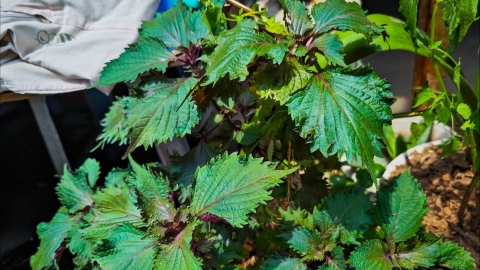
Under normal circumstances, perilla leaf is a traditional Chinese medicine, which is the dried leaf of the plant Perilla frutescens from the Lamiaceae family. It has various functions and benefits, primarily including relieving superficies and dispersing cold, regulating qi and harmonizing the stomach, relieving cough and resolving phlegm, detoxification, as well as antibacterial and anti-inflammatory effects. However, although perilla leaf is beneficial, it should not be consumed in excessive amounts. Individuals with a hot body constitution and infants or young children with incomplete bone development should use it only under the guidance of a physician.
Generally speaking, perilla leaf is a traditional Chinese medicine derived from the dried leaves of the plant Perilla frutescens (L.) Britton, which belongs to the Lamiaceae family. It has various functions and benefits, mainly including relieving superficies and dispersing cold, regulating qi and harmonizing the stomach, relieving cough and removing phlegm, detoxifying, and antibacterial and anti-inflammatory effects. Specific details are as follows:
1. Relieving superficies and dispersing cold
Perilla leaf has a pungent and warm nature and enters the lung and spleen meridians. It can promote perspiration, helping the body expel cold pathogens and thereby alleviating symptoms such as headache, nasal congestion, and fever caused by wind-cold感冒 (common cold due to wind-cold invasion). Perilla leaf is often combined with other herbs with similar actions, such as Ephedra (Ma Huang) and Cinnamon twig (Gui Zhi), to enhance therapeutic effects.
2. Regulating qi and harmonizing the stomach
Perilla leaf can regulate the qi circulation of the spleen and stomach. It effectively alleviates symptoms caused by qi stagnation in the spleen and stomach, such as epigastric distension, nausea, vomiting, and loss of appetite. When digestive dysfunction and abdominal distension result from excessive consumption of raw, cold, or greasy foods, perilla leaf can help regulate qi and harmonize the stomach. It is also effective for symptoms such as vomiting and abdominal pain after consuming seafood. Due to its soothing and regulatory effects on the gastrointestinal tract, perilla leaf improves intestinal motility and digestive function.
3. Relieving cough and removing phlegm
Perilla leaf can alleviate symptoms such as cough and phlegm caused by invasion of cold pathogens into the lungs. It is often used in combination with other herbs such as Peucedanum root (Qian Hu) and Apricot seed (Xing Ren) to enhance its effects in relieving cough and removing phlegm.
4. Detoxification
Perilla leaf has detoxifying properties, especially against toxins produced by fish, shrimp, crabs, and other seafood. If symptoms of poisoning such as abdominal pain, diarrhea, and vomiting occur after consuming seafood, perilla leaf can help reduce the toxic reaction. This is because certain components in perilla leaf can counteract harmful substances like histamine present in seafood, thereby exerting a detoxifying effect.
5. Antibacterial and anti-inflammatory
Perilla leaf contains abundant volatile oils, flavonoids, and other components. These substances have antibacterial and anti-inflammatory properties, capable of inhibiting the growth and reproduction of various bacteria and providing auxiliary therapeutic effects for infectious inflammation.
However, although perilla leaf has many benefits, it should not be consumed in excess. Individuals with specific constitutions or medical conditions, such as those with excessive internal heat or infants and young children with incomplete skeletal development, should use it under the guidance of a physician. In daily life, perilla leaf can not only be used as medicine but also as a culinary ingredient to add flavor to food.





