


Can I drink alcohol during my menstrual period?
Jan 25, 2025
Source: Cainiu Health

Dr. Yang Ziqi
Introduction
Under normal circumstances, the term "menstrual period" refers to the time when a woman is having her period, and drinking alcohol is not recommended during this time. Women should avoid consuming alcohol during their menstrual period. Additionally, they should keep warm, avoid cold temperatures and chills, maintain sufficient sleep and rest, and consume foods rich in iron and vitamins, such as red meat, dark green vegetables, legumes, and nuts, in order to alleviate premenstrual discomfort and menstrual pain.
Generally speaking, the menstrual period refers to the time when menstruation occurs, and drinking alcohol is not recommended during this period. The specific analysis is as follows:
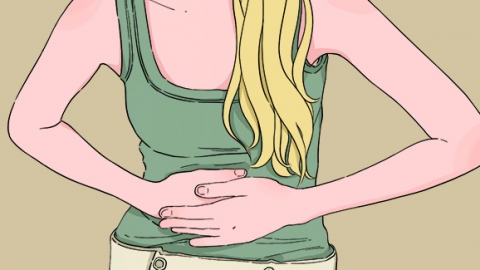
During menstruation, women experience various physiological responses due to blood loss and hormonal changes. Drinking alcohol during this time may negatively affect the body. Alcohol has the effect of promoting blood circulation and removing blood stasis, which can accelerate blood circulation and possibly lead to increased menstrual flow and prolonged duration. Alcohol can dilate blood vessels, causing uterine contractions, which may worsen existing dysmenorrhea or even trigger it.
Women may also experience emotional fluctuations, insomnia, and other symptoms during their period. Alcohol consumption can disrupt the normal sleep cycle, exacerbating insomnia and leading to difficulties falling asleep and poor sleep quality. Once alcohol enters the stomach, it may irritate the gastric mucosa, causing nausea and stomach pain. During menstruation, women's immune systems are weaker, making them more susceptible to the stimulating and harmful effects of alcohol.
Women should avoid drinking alcohol during their menstrual period. They should also keep warm, avoid cold exposure, ensure adequate sleep and rest, and consume iron- and vitamin-rich foods such as red meat, dark green vegetables, legumes, and nuts to alleviate premenstrual discomfort and dysmenorrhea symptoms.




