


How to remove a wart
Feb 24, 2025
Source: Cainiu Health

Dr. Liu Wenmin
Introduction
Common warts, also known as verruca vulgaris, are skin conditions caused by human papillomavirus (HPV) infection. They can generally be treated through cryotherapy, laser therapy, medication, surgical excision, electrocautery, or curettage. If any abnormalities occur, prompt medical attention is recommended. During treatment, it is important to maintain personal hygiene to prevent the spread of warts and to enhance one's own immune system.
Warts, also known as common warts, are skin conditions caused by human papillomavirus (HPV) infection. Generally, they can be removed through cryotherapy, laser therapy, medication, surgical excision, electrocautery, or curettage. If abnormalities occur, timely medical attention is recommended. Detailed explanations are as follows:
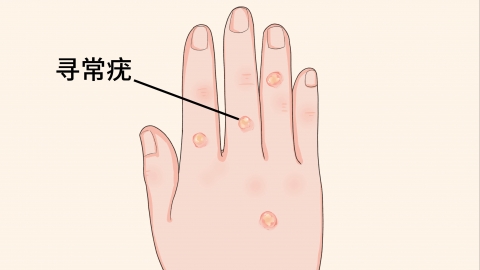
1. Cryotherapy: Cryotherapy is a commonly used method for removing common warts. It involves using freezing agents such as liquid nitrogen to cause wart tissue to necrose and fall off. This method is relatively simple, but may require multiple treatments for complete removal. There may be some pain during treatment and localized pigmentation after treatment.
2. Laser Therapy: Laser therapy uses high-energy laser beams to destroy wart tissue. It offers the advantages of high precision and good hemostasis. However, the cost of laser therapy is relatively high. Pain, redness, and swelling may occur after treatment, and there is a certain risk of infection, so proper postoperative care is necessary.
3. Medication: Medication is suitable for cases where physical treatments are not appropriate or the warts are small. Commonly used medications under a doctor's guidance include acyclovir cream, fluorouracil cream, and imiquimod cream. These medications can remove warts by regulating skin cell growth and differentiation, causing corrosive effects, or inhibiting DNA synthesis. However, results are relatively slow, requiring continuous application for some time before noticeable effects are seen, and the medication may irritate surrounding healthy skin.
4. Surgical Excision: Larger, solitary, or stubborn warts can be treated with excision. Surgical removal directly eliminates the wart tissue and has a relatively low recurrence rate. However, surgery is an invasive procedure and carries certain risks, such as bleeding, infection, and scar formation.
5. Electrocautery and Curettage: Electrocautery uses high-frequency electric current to generate high temperatures that destroy wart tissue. Curettage involves directly scraping off visible abnormal proliferative tissue using surgical instruments. Both methods are suitable for treating small and thick common warts, but may cause some pain and discomfort.
During treatment, personal hygiene should be maintained to prevent the spread of warts, and immunity should be enhanced to reduce the risk of recurrence.





