


Can people with high blood sugar eat pineapple?
May 20, 2025
Source: Cainiu Health

Dr. Liu Feng
Introduction
In general, individuals with high blood sugar can eat pineapple, but excessive consumption is not recommended. Pineapple that is not fully ripe has a lower glycemic index; it is advisable to choose pineapples with greenish-yellow mottled peels and slightly firm flesh when pressed, as these have a moderate sweet and sour taste and have less impact on blood sugar levels. Moreover, the amount of pineapple consumed each time should be controlled within a certain range. Additionally, it should be avoided on an empty stomach for breakfast.
Generally speaking, people with high blood sugar can eat pineapple, but it is not recommended to consume it in large amounts. Detailed explanations are as follows:
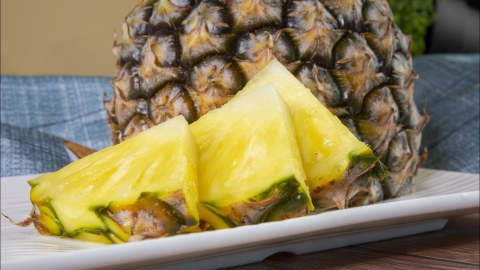
Pineapple is rich in vitamin C, vitamin B1, potassium, manganese, and other minerals, as well as nutrients such as bromelain and dietary fiber. Among them, vitamin C has antioxidant properties and can enhance immunity, helping diabetic patients reduce the risk of infections; vitamin B1 promotes carbohydrate metabolism and assists in maintaining normal nervous system function; bromelain can break down proteins, aid digestion, relieve post-meal bloating, and its anti-inflammatory properties can help improve vascular endothelial function, thereby potentially regulating chronic inflammation associated with diabetes.
The glycemic index of unripe pineapple is relatively low. It is recommended to choose pineapples with greenish-yellow mottled peels and slightly firm flesh when pressed, as these have a balanced sweet and sour taste and have less impact on blood sugar. Additionally, the amount of pineapple consumed each time should be controlled within a certain range. Eating pineapple on an empty stomach for breakfast should also be avoided, as insulin sensitivity is lower in the morning, and consuming pineapple on an empty stomach may cause a sudden spike in blood sugar levels.


