


Can I eat vinegar during my menstrual period?
May 21, 2025
Source: Cainiu Health

Dr. Yu Yongchao
Introduction
Under normal circumstances, women can consume vinegar during their menstrual period, but should do so in moderation. Vinegar is made from fermented grains and contains acetic acid, amino acids, vitamins, and other components. It is warm in nature, sour in taste, and enters the liver and stomach meridians, possessing functions such as promoting digestion, resolving blood stasis and pain, and astringing to stop bleeding. For women without specific health issues, moderate vinegar consumption during menstruation, such as using it for cooking and seasoning, is generally harmless.
Generally speaking, women can consume vinegar during their menstrual period, but it should be done in moderation. The detailed explanation is as follows:
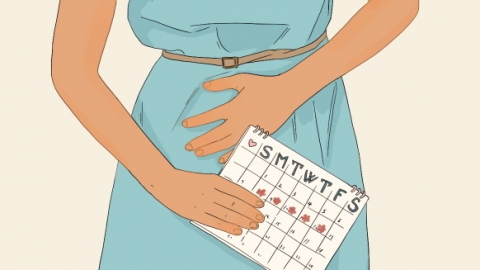
Vinegar is made from fermented grains and contains acetic acid, amino acids, vitamins, and other components. It is warm in nature, sour in taste, and acts on the liver and stomach meridians. Vinegar aids digestion, alleviates stagnation and pain, and has astringent and hemostatic effects. For women without specific health conditions, moderate vinegar consumption during menstruation—for example, using it as a seasoning in cooking—is generally harmless.
However, it is important to consume it in moderation, as excessive intake might indirectly affect blood circulation due to its acidic and astringent properties, especially influencing menstrual blood discharge. For individuals with a constitution characterized by weak qi and blood, the acidic and astringent nature of vinegar may further impede blood circulation, potentially leading to reduced menstrual flow or poor discharge. It is recommended to limit vinegar consumption, especially avoiding taking it on an empty stomach or drinking vinegar-based beverages. For those with excessive stomach acid or gastrointestinal disorders, the acidity of vinegar may irritate the gastric mucosa, triggering stomach pain, acid reflux, and other symptoms. Gastrointestinal function tends to be weaker during menstruation; therefore, these individuals should avoid consuming vinegar directly or eating vinegar-prepared foods.
If there are any concerns, it is advisable to consult a doctor or nutritionist for personalized dietary recommendations. During the menstrual period, in addition to paying attention to diet, maintaining healthy lifestyle habits such as getting adequate rest, avoiding excessive fatigue, and staying emotionally balanced is important for overall health.



