


Is it safe to eat lychees that have developed mold?
Jun 16, 2025
Source: Cainiu Health

Dr. Shen Yonghua
Introduction
Moldy lychees can breed a large amount of mold, such as Aspergillus flavus and Penicillium. These molds can produce harmful substances, some of which are toxic. Consumption may irritate the gastrointestinal tract, causing symptoms such as abdominal pain, diarrhea, and vomiting. It may also cause damage to organs such as the liver, affecting overall health. Even if the mold appears to be only on a localized area, the mold's hyphae may have already spread into the interior of the fruit.
Generally speaking, moldy lychees should not be eaten. The detailed explanation is as follows:
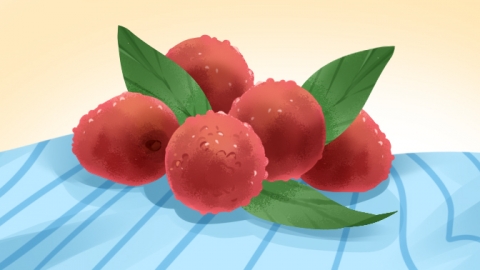
After lychees become moldy, numerous molds such as Aspergillus flavus and Penicillium can grow. These molds may produce harmful substances, some of which are toxic. Consumption may irritate the gastrointestinal tract, causing symptoms such as abdominal pain, diarrhea, and vomiting. They may also damage organs such as the liver and affect overall health. Even if the mold appears to be limited to a small area, mold hyphae may have already spread inside the fruit, which is difficult to detect with the naked eye, thus posing a safety risk when consumed.
Regardless of the degree of moldiness, even if only slight mold is present, one should not take chances and consume the lychee. This is because even after removing the moldy portion, the non-moldy part may still be contaminated with mold. Continued consumption may still negatively affect the body. For health reasons, once mold is detected on a lychee, it should be discarded immediately and not consumed.
When storing lychees in daily life, it is important to keep them in a cool, well-ventilated place or refrigerate them to avoid humid and high-temperature environments, which can reduce the likelihood of mold growth. When purchasing lychees, fresh and undamaged fruits should be selected to ensure food safety.





