


What are the symptoms of otitis media?
Nov 26, 2025
Source: Cainiu Health

Dr. Lu Cheng
Introduction
In general, otitis media is an inflammatory condition affecting the mucosa and surrounding tissues of the middle ear. Common symptoms include significant ear pain, hearing loss, pus discharge from the ear, tinnitus, and a sensation of fullness or pressure in the ear. The symptoms of otitis media are closely related to factors such as colds and water entering the ear canal. It is important in daily life to keep the ear canal dry and avoid exposure to contaminated water.
Generally, otitis media is an inflammatory condition affecting the mucous membrane and surrounding tissues of the middle ear. Its common symptoms mainly include significant ear pain, hearing loss, ear discharge, tinnitus discomfort, and a sensation of fullness or pressure in the ear. A detailed analysis is as follows:
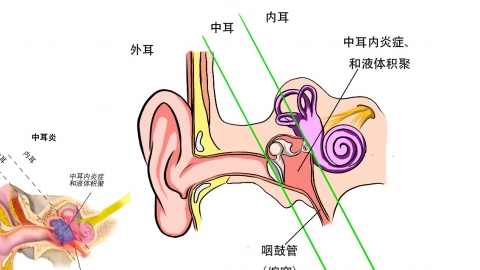
1. Significant ear pain: Acute otitis media often causes sudden, severe ear pain, typically described as sharp or throbbing. Infants may cry persistently and repeatedly touch or pull at their ears. Pain tends to worsen at night or during swallowing or coughing. If the eardrum perforates, the pain usually decreases abruptly once pus drains out. In chronic otitis media, pain is milder and more intermittent, often presenting as dull or aching discomfort.
2. Hearing loss: Fluid accumulation in the middle ear or mucosal congestion can interfere with sound conduction, leading to hearing impairment. This manifests as muffled hearing, requiring one to move closer when listening to others speak, and children may show delayed responses to being called. Some individuals may perceive fluid movement sounds inside the ear when shaking their head, accompanied by brief fluctuations in hearing.
3. Ear discharge: Suppurative otitis media is characterized by ear discharge. Initially, the discharge is mucoid, gradually turning into thick yellow or yellow-green pus, which may have a slight odor. The amount of discharge varies—greater during acute flare-ups and fluctuating during chronic phases. Prolonged discharge can cause redness and itching in the skin of the external ear canal due to irritation.
4. Tinnitus discomfort: Patients often experience persistent or intermittent tinnitus, commonly described as buzzing, running water, or wind-like noises. Tinnitus becomes more noticeable in quiet environments and increases in frequency and intensity when inflammation worsens. Some individuals may develop difficulty concentrating or feel irritable due to the tinnitus.
5. Sensation of fullness or pressure in the ear: A distinct feeling of blockage or fullness is common, similar to having cotton in the ear or water trapped inside. Pressing on the tragus may temporarily relieve this sensation. This persistent feeling affects ear comfort, and some people frequently attempt to equalize pressure by pinching their nose and blowing (Valsalva maneuver), but excessive attempts may exacerbate inflammation.
The symptoms of otitis media are closely related to factors such as colds and water entering the ear canal. It is important in daily life to keep the ear canal dry, avoid exposure to contaminated water, and refrain from inserting objects into the ear. When symptoms occur, adequate rest and minimizing ear irritation are recommended to promote resolution of inflammation.



