


Why do I get my period three times a month?
Jan 04, 2022
Source: Cainiu Health

Dr. Xiang Jinhong
Introduction
A normal menstrual cycle in women ranges from 21 to 35 days, with an average duration of 28 days—approximately once per month. Menstruation occurring three times within a single month indicates a clear physiological abnormality, and prompt medical evaluation is strongly recommended. When visiting a healthcare provider, be sure to provide detailed information regarding your menstrual pattern, sexual activity, and any medications currently being taken, along with as comprehensive a medical history as possible.
For women, menstruation is a key indicator of overall health. Typically, healthy women experience a menstrual period each month, lasting no longer than one week. However, some women may experience abnormal patterns—for instance, having another period shortly after the previous one ends—indicating a potential underlying issue. So, what does it mean when a woman has her period three times within one month? Below, we address this question.
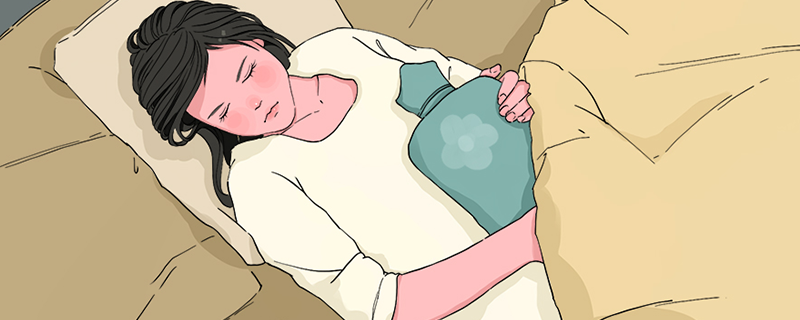
Why might a woman have her period three times in one month?
A normal menstrual cycle ranges from 21 to 35 days, with an average of 28 days—roughly once per month. Having three periods within a single month signals a clear physiological abnormality, and prompt medical evaluation is strongly recommended. During your consultation, be sure to provide your physician with detailed information regarding your menstrual history, sexual activity, and any medications you are taking—in order to supply as comprehensive a clinical history as possible.
Numerous factors can influence menstruation, including psychological factors such as emotional stress, mental trauma, excessive anxiety, or frequency of sexual activity. First, rule out external influences on menstruation, then observe for a period before investigating the root cause. In daily life, maintain regular routines, avoid overexertion—and especially during menstruation, protect yourself from cold and dampness.
Subsequently, blood tests are often required to confirm or exclude pregnancy and assess for anemia. Further diagnostic steps may include pelvic ultrasound and gynecological examination to identify the underlying cause. Once a definitive diagnosis is established, follow your physician’s treatment plan while prioritizing adequate rest, improved nutrition, and consistent sleep-wake cycles—all of which support recovery.
Additional Information: Key Considerations for Heavy Menstrual Bleeding
1. Maintain emotional well-being: Avoid prolonged worry, depression, or anger, which may impair liver and spleen function. Excessive emotional disturbance can also generate internal heat, disrupting the Chong and Ren meridians and contributing to menstrual disorders.
2. Adjust clothing appropriately according to climate and environmental changes—avoid excessive cold or chill exposure, which may allow external pathogens to invade and impair blood and qi circulation, leading to menstrual irregularities.
3. Balance work and rest: Avoid overexertion and intense physical activity, as these may weaken the Spleen, compromising its ability to control blood flow or impairing blood production—both potential contributors to menstrual disorders.
4. Practice mindful eating: Maintain regular, moderate meals. Avoid binge eating, or excessive consumption of greasy, rich, raw, cold, spicy, or overly drying foods, which may damage the Spleen and Stomach, impair blood production, promote dampness or phlegm accumulation, or cause blood stasis or heat—thereby triggering menstrual irregularities.
5. Prioritize reproductive health: Practice responsible family planning and moderation in sexual activity to prevent disease. Avoid frequent or repeated pregnancies (including induced abortions) and abstain from intercourse during menstruation or the postpartum period, as these may damage the Chong and Ren meridians, deplete essence and blood, or impair kidney qi—leading to menstrual disorders.
The above outlines the possible causes and implications of experiencing three menstrual periods within one month. We hope this information is helpful to you.



