


Causes of Vaginal Bleeding a Few Days After Menstruation Ends
Jan 13, 2022
Source: Cainiu Health

Dr. Chen Ying
Introduction
1. Functional uterine bleeding: Post-menstrual bleeding duration is significantly prolonged; in most cases, menstruation lasts approximately 10 days, while in some cases it may extend up to two months.
2. Uterine leiomyoma (fibroids): Symptoms vary and may include prolonged menstrual periods, menorrhagia (heavy menstrual bleeding), or increased nocturia.
3. Luteal phase defect: Patients commonly experience shortened menstrual cycles, recurrent miscarriage, or infertility.
Many behaviors common among women can affect their menstrual cycles—for example, frequently consuming cold foods or regularly staying up late—both of which may influence the duration of menstruation and the volume of menstrual bleeding. Some women experience vaginal bleeding shortly after their period ends. So why does bleeding reappear just a few days after menstruation has ceased? Below, we address this question.
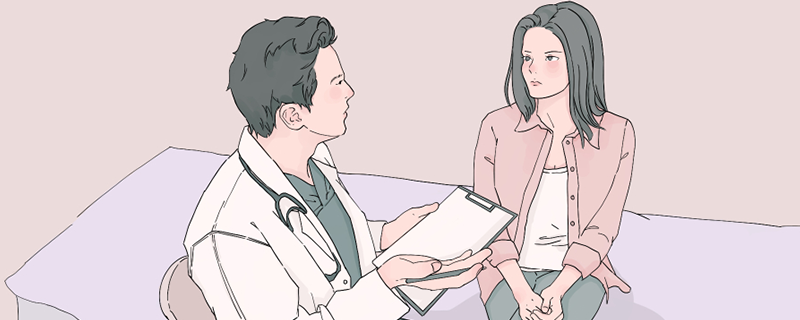
Why does vaginal bleeding recur 3–4 days after menstruation ends?
1. Dysfunctional Uterine Bleeding (DUB)
This condition occurs without any obvious structural abnormalities in the uterus but manifests as either prolonged, intermittent spotting or heavy bleeding. Typically, bleeding persists significantly beyond the normal menstrual period; most cases last approximately 10 days, while some may extend up to two months.
2. Uterine Fibroids
Fibroids located in different parts of the uterus produce varying symptoms. These may include prolonged menstrual periods, abnormally heavy menstrual flow, increased nocturia or urinary frequency, unexplained constipation, or even palpable abdominal masses.
3. Luteal Phase Deficiency
Luteal phase deficiency refers to insufficient progesterone secretion by the corpus luteum following ovulation—or premature luteal regression—resulting in delayed endometrial development. Affected women often experience shortened menstrual cycles, recurrent miscarriages, or infertility.
4. Intrauterine Device (IUD) Effects
Following IUD insertion, a six-month adaptation period is typical. Mild lower abdominal discomfort during the first 3–6 months is considered normal. However, if persistent sensations of pelvic heaviness, low back pain, abdominal pain, vaginal bleeding, or menstrual flow exceeding twice the usual volume persist beyond seven months, medical evaluation is recommended.
5. Medical Abortion
Medication-induced abortion disrupts the body’s natural hormonal balance, potentially leading to inadequate hormone secretion or hormonal dysregulation. Symptoms may include irregular menstrual cycles, dysmenorrhea, pain during intercourse, and decreased libido.
6. Other Causes
Beyond the above, factors such as environmental changes, excessive physical fatigue, or significant psychological stress may also cause prolonged or persistent vaginal bleeding. In many cases, symptoms improve markedly with appropriate self-care and lifestyle adjustments. However, if abnormal bleeding persists for an extended duration, timely medical consultation and treatment are essential.
The above outlines potential reasons for post-menstrual bleeding. We hope this information is helpful to you.



