


What medications can delay menstruation?
Jan 14, 2022
Source: Cainiu Health

Dr. Yu Liqun
Introduction
1. Combined Norethisterone Tablets can cause hormonal imbalances in the body, thereby delaying menstruation.
2. Fukang Tablets—users must strictly adhere to the prescribed dosage, as improper use may lead to amenorrhea.
3. Progesterone (Medroxyprogesterone Acetate), a commonly used medication for delaying menstruation. This drug should be initiated three days prior to the expected onset of menstruation.
Women’s menstrual cycles are generally quite regular; however, occasional variations—such as periods arriving earlier or later than expected—can occur due to various factors and are entirely normal. The unique nature of menstruation can sometimes cause significant inconvenience for women—for instance, when planning travel, recreational activities, swimming, or beach vacations. These may be rare, cherished opportunities, yet the timing of one’s period might cause them to be missed entirely. Consequently, some women seek medications to delay their periods by a few days. So, what medications are available for this purpose? Below, we address this question.
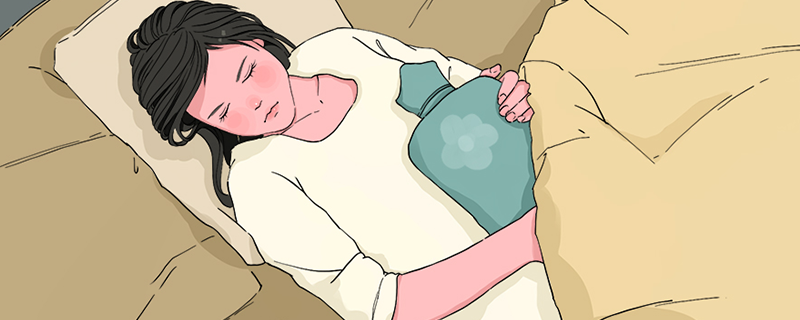
What Medications Can Delay Menstruation?
1. Combined Norethisterone Tablets
This is a contraceptive pill that induces hormonal fluctuations in the body, thereby delaying menstruation. However, it must be started three weeks before the anticipated onset of menstruation.
2. Fukang Tablets
This is a hormonal medication that can help delay menstruation. Users must strictly adhere to the prescribed dosage, as excessive intake may lead to amenorrhea (absence of menstruation).
3. Medroxyprogesterone Acetate (MPA)
This is one of the most commonly used medications for delaying menstruation. It should be initiated three days prior to the expected onset of menses.
Additional Information: Menstrual Hygiene and Care
1. Keeping Warm: Maintaining warmth during menstruation is crucial—especially for the lower abdomen and pelvic region. Avoid exposure to rain or cold water; do not wash feet or bathe with cold water, nor swim. Refrain from sitting on damp or cold surfaces, or directly in the airflow of air conditioners or fans. Dress warmly and avoid wearing clothing that exposes the navel or waist.
2. Adequate Rest: Sufficient rest during menstruation is essential. Excessive physical exertion may prolong the period or increase blood loss.
3. Emotional Well-being: Maintaining emotional stability during menstruation is vital. Stress, anxiety, depression, or anger may disrupt the flow of Qi (vital energy), potentially leading to delayed periods, dysmenorrhea (painful menstruation), or amenorrhea—and may also adversely affect liver function.
4. Showering Instead of Bathing: Hair washing should be minimized during menstruation. If absolutely necessary, wash hair at midday and dry it thoroughly immediately afterward. Additionally, because the cervical os is relatively open during menstruation—increasing susceptibility to infection—it is advisable to shower rather than bathe.
5. Gentle External Genital Cleansing with Warm Water: During menstruation, cleaning the external genital area requires only warm water. Avoid using vaginal douches or cleansing solutions, as these may strip away natural protective sebum secreted by the vulvar skin. This sebum safeguards delicate mucosal tissues; its removal increases vulnerability to injury and raises the risk of infection.
The above outlines common medications used to delay menstruation. We hope this information proves helpful.



