


What dietary considerations should be observed after colorectal cancer surgery?
Jan 18, 2022
Source: Cainiu Health
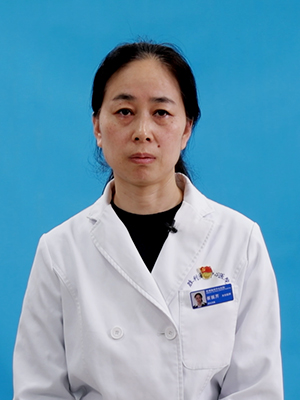
Dr. Cui Zhenqin
Introduction
After colorectal cancer surgery, patients should consume warm (not hot or scalding) foods. They should also avoid smoking and alcohol consumption, limit overall food intake to prevent excessive strain on the intestines, and refrain from eating foods known to promote cancer development.
Patients with rectal cancer naturally hope for a swift recovery and typically undergo surgical treatment. After surgery, patients must take good care of their bodies. So, what dietary guidelines should rectal cancer patients follow postoperatively?

Dietary Considerations Following Colorectal Cancer Surgery
After colorectal cancer surgery, patients should consume warm (not hot or scalding) foods. They must avoid smoking and alcohol consumption, limit overall food intake to prevent excessive strain on the intestines, and strictly avoid foods known to promote cancer development—such as fried, grilled, or barbecued items. Additionally, processed or cured foods (e.g., pickled, smoked, or heavily preserved products) should be avoided. Instead, patients should prioritize safe, natural, and fresh foods—and never consume spoiled or contaminated items.
Preoperative preparation primarily involves bowel cleansing. Physicians commonly prescribe oral laxatives and/or enemas to thoroughly evacuate the bowel, ensuring an empty intestinal tract to facilitate smoother surgical procedures.
Another key preoperative step is optimizing cardiopulmonary function. Patients with preexisting cardiac or respiratory conditions should engage in appropriate physical activity to enhance heart and lung capacity prior to surgery.
Lastly, patients may consume light meals before surgery—but these should consist of easily digestible, soft foods such as noodles or thin porridge.
Colorectal cancer surgery includes both conventional open abdominal surgery and modern minimally invasive laparoscopic surgery. The latter involves smaller incisions and generally allows for faster recovery, making it suitable primarily for patients with early-stage rectal cancer. In contrast, advanced-stage disease—characterized by widespread tumor dissemination and extensive involvement of the colorectum—typically requires open abdominal surgery for tumor resection. Importantly, successful surgery does not equate to complete cure; patients must undergo routine and comprehensive follow-up examinations three to six months after surgery.
We hope the above information is helpful. Wishing you a healthy and joyful life!





