


How to Treat Thyroiditis
Jan 19, 2022
Source: Cainiu Health
Dr. Liu Aifen
Introduction
Thyroiditis is a thyroid disorder primarily characterized by inflammation. For patients with Hashimoto’s thyroiditis who have mild goiter without symptoms, treatment is generally not required; instead, regular follow-up and observation are recommended. Subacute thyroiditis is mainly managed symptomatically to reduce the inflammatory response and alleviate pain. Mild cases typically do not require treatment. For patients with prominent symptoms, symptomatic relief can be achieved using acetylsalicylic acid (aspirin) or nonsteroidal anti-inflammatory drugs (NSAIDs).
Thyroiditis refers to thyroid disorders primarily characterized by inflammation. For patients with Hashimoto’s thyroiditis who have only mild goiter and are asymptomatic, no specific treatment is required; instead, regular follow-up and observation are recommended. Subacute thyroiditis is mainly managed symptomatically to reduce the inflammatory response and alleviate pain. Mild cases typically require no treatment. For patients with prominent symptoms, analgesics such as acetylsalicylic acid (aspirin) or nonsteroidal anti-inflammatory drugs (NSAIDs) may be used to relieve symptoms.
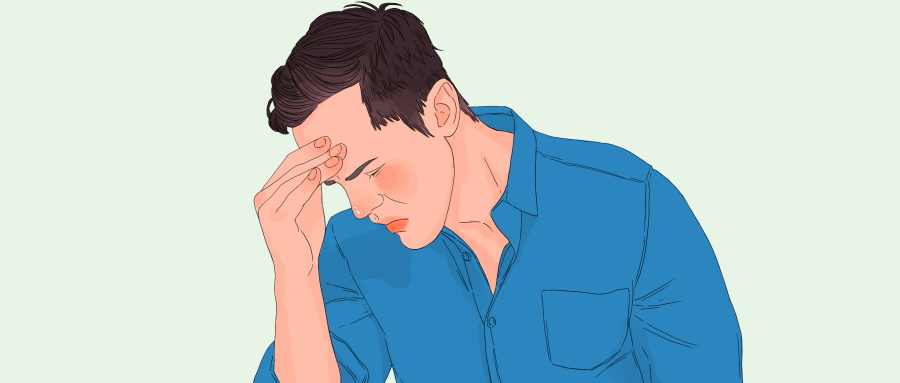
How Is Thyroiditis Treated?
For more severe or protracted cases, corticosteroids are recommended; complete symptom resolution usually occurs within 24–48 hours. In painless thyroiditis, symptomatic management is generally sufficient. Beta-blockers may be administered to alleviate symptoms of thyrotoxicosis. For persistent hypothyroidism, thyroid hormone replacement therapy is indicated; most patients regain normal thyroid function, though the dosage of thyroid hormone must be carefully titrated and eventually tapered off as appropriate.
Hashimoto’s thyroiditis—also known as chronic lymphocytic thyroiditis—has an insidious onset. At presentation, most patients exhibit goiter, with a firm, rubbery, often nodular thyroid gland that has well-defined margins. Patients commonly report pharyngeal discomfort or mild dysphagia.
Subacute thyroiditis is classically marked by severe thyroid pain. Pain typically begins in one lobe of the thyroid and rapidly radiates to other regions of the gland, as well as to the ear and jaw. Systemic symptoms—including malaise, fatigue, myalgia, and sometimes fever—are frequently present.
In painless thyroiditis, approximately half of affected individuals develop mild, diffuse goiter with a firm consistency, no nodules, and absence of pain or tenderness.
In postpartum thyroiditis, the thyroid gland may be mildly to moderately enlarged, with medium consistency and no tenderness. Clinical manifestations include palpitations, emotional lability, heat intolerance, and fatigue.
Enhancing immune resistance and preventing upper respiratory tract infections and pharyngitis may help prevent the onset of thyroiditis.
Women with a history of thyroiditis should avoid iodine-containing medications, as these may precipitate hypothyroidism.
During pregnancy, women with this condition should avoid excessive iodine intake, since iodine can cross the placenta and elevate fetal TSH levels, potentially leading to neonatal hypothyroidism.
We hope the above information is helpful to you. Wishing you good health and happiness!







