


What should I do if I have polycystic ovary syndrome (PCOS) and have missed my period?
Feb 16, 2022
Source: Cainiu Health
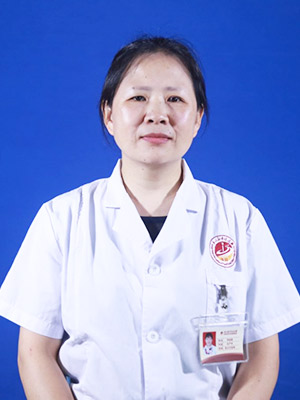
Dr. Deng Xuanbi
Introduction
Weight Loss Method: Increasing physical activity and losing weight can help restore menstruation in women with polycystic ovary syndrome (PCOS). Obesity-induced endocrine and metabolic disturbances can be effectively corrected through weight loss, allowing endocrine function to gradually return to normal. Once ovulation resumes, the chances of pregnancy significantly increase, and PCOS symptoms may gradually resolve.
What should be done when a woman with polycystic ovary syndrome (PCOS) experiences amenorrhea? Experts recommend a combined traditional Chinese and Western medical approach for fundamental regulation and treatment—primarily using traditional Chinese medicine (TCM), supplemented with minimal use of Western medications when necessary. Most Western medications contain hormones, which often cause significant side effects and frequently lead to symptom relapse upon discontinuation. In contrast, TCM addresses the root causes of the disorder.

What to do when PCOS causes amenorrhea
1. Weight reduction: Increasing physical activity and losing weight can help restore normal menstruation in women with PCOS. Obesity contributes to endocrine and metabolic disturbances; therefore, weight loss effectively helps normalize endocrine function. Once ovulation resumes, the chances of conception increase significantly, and PCOS symptoms gradually subside.
2. Addressing insulin resistance: Reducing insulin resistance lowers androgen levels, thereby effectively managing PCOS and infertility caused by hyperandrogenism.
3. Clomiphene citrate therapy: This medication competes with endogenous estrogen for receptors at the hypothalamic-pituitary level, thereby inhibiting the negative feedback effect of androgens and promoting ovulation. However, it carries potential side effects.
4. Gonadotropin-releasing hormone (GnRH) therapy: Long-term administration desensitizes pituitary gonadotroph receptors, resulting in reduced gonadotropin secretion and decreased ovarian sex hormone synthesis. Concurrently, TCM-based regulation may be employed—an approach that is relatively conservative yet safe and free from adverse effects.
Bilateral ovarian wedge resection: This surgical procedure involves partial removal of ovarian tissue to reduce excessive androgen production, thereby correcting dysregulation of the hypothalamic-pituitary-ovarian axis. However, therapeutic efficacy depends on both the precise location and the amount of tissue removed, and reported success rates vary. Moreover, this method carries a relatively high postoperative recurrence rate.
TCM-based regulation: This conservative approach is safe and free from side effects. A qualified TCM practitioner will prescribe an individualized herbal formula based on your specific condition. Consistent adherence to the prescribed herbal regimen, along with periodic follow-up visits for reassessment, ensures accurate monitoring and timely adjustment of treatment according to disease progression.
We hope the above information proves helpful. Wishing you good health and happiness!



