


What Are the Risks of Using Progesterone to Delay Menstruation?
Feb 22, 2022
Source: Cainiu Health

Dr. Xiong Lijuan
Introduction
Progesterone is a progestin hormone; using progesterone to delay menstruation may lead to increased menstrual flow and menstrual cycle disturbances.
1. Increased menstrual flow: Symptoms typically resolve spontaneously after discontinuing the medication, and no specific treatment is required.
2. Menstrual cycle disturbance: If this occurs, desogestrel-ethinylestradiol tablets may be prescribed under a physician’s guidance for regulation.
Progesterone is a natural progestogen secreted by the ovarian corpus luteum. In the body, it exerts significant morphological effects on the estrogen-primed endometrium and is essential for maintaining pregnancy. So, what are the potential risks associated with using progesterone to delay menstruation? Below, we address this question.
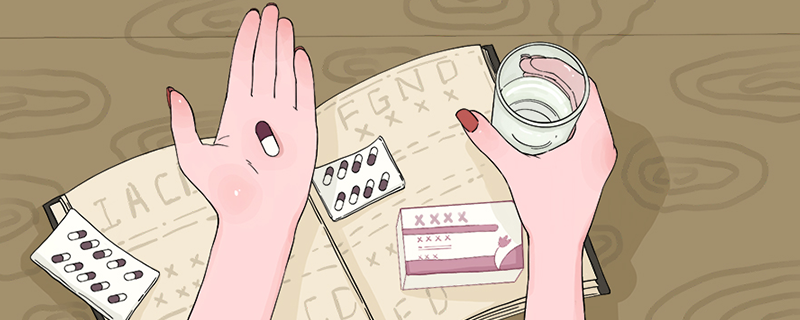
What Are the Risks of Using Progesterone to Delay Menstruation?
Progesterone is a progestogen; its use to delay menstruation may lead to increased menstrual flow and menstrual cycle disturbances.
1. Increased Menstrual Flow: As a progestogen, progesterone may cause abnormal thickening of the endometrium when used to delay menstruation. Typically, menstruation begins 3–7 days after discontinuing the medication, often accompanied by heavier bleeding. In most cases, symptoms resolve spontaneously after cessation of treatment, requiring no specific intervention.
2. Menstrual Cycle Disturbances: Repeated or prolonged use of progesterone may disrupt ovarian endocrine function, leading to irregular menstrual cycles. If such disturbances occur, progesterone use should be discontinued immediately. Under medical supervision, combined oral contraceptives containing desogestrel and ethinylestradiol may be prescribed to help regulate the cycle.
It is generally recommended not to use any medication to delay menstruation, as this may induce menstrual abnormalities. During menstruation, maintain good personal hygiene, avoid sexual intercourse and excessive physical exertion, and refrain from contact with cold water. Dietarily, avoid raw, cold, or spicy and irritating foods—such as ice cream and chili peppers.
The above outlines the potential risks associated with using progesterone to delay menstruation. We hope this information is helpful to you.



