


What Causes a Long Menstrual Cycle?
Apr 14, 2022
Source: Cainiu Health

Dr. Lv Aiming
Introduction
Pelvic inflammatory disease, uterine polyps, and endometritis, among others, are all caused by impaired blood circulation within the uterus—leading to tissue degeneration and necrosis—or by pelvic venous congestion. These conditions result in prolonged menstrual cycles and extended menstrual periods. Pelvic congestion causes sustained elevation of ovarian estrogen levels, which promotes thickening of the uterine myometrium, leading to chronic uterine hypertrophy and, consequently, prolonged menstrual cycles and extended menstrual periods.
A woman’s menstrual cycle varies from person to person. A typical menstrual cycle lasts 28 days, with variations of up to seven days earlier or later still considered normal. However, some women experience prolonged cycles—exceeding this seven-day window—without menstruation occurring. In such cases, it is essential to investigate the underlying causes of the extended cycle. So, what are the primary causes of a prolonged menstrual cycle?
What Causes a Prolonged Menstrual Cycle?
Pelvic inflammatory disease (PID), uterine polyps, and endometritis can all contribute to an abnormally long menstrual cycle and prolonged menstruation. These conditions impair blood circulation within the uterus, leading to tissue degeneration, necrosis, or pelvic congestion. Pelvic congestion stimulates sustained elevation of ovarian estrogen levels, resulting in thickening of the uterine myometrium and chronic uterine hypertrophy—both of which may cause cycle prolongation and extended menses. Submucosal uterine fibroids, in particular, enlarge the uterine cavity and disrupt normal uterine contractility, potentially leading to prolonged cycles and extended menstrual periods.

Additionally, endometriosis may interfere with uterine myometrial contractions or endometrial proliferation, delaying endometrial shedding and thereby causing either a prolonged cycle or extended menses.
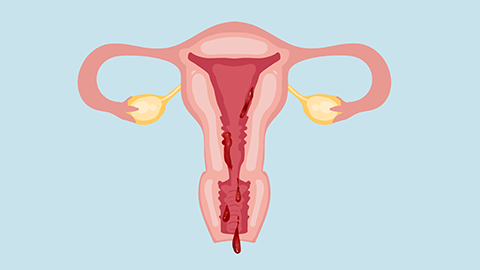
For treatment, patients should consult a reputable hospital for diagnostic testing—including serum sex hormone assays and thyroid function tests—to identify any abnormalities. Based on test results and under a physician’s guidance, an appropriate, individualized treatment plan should be implemented. We hope this information proves helpful. Wishing you good health and happiness!



