


What does it mean when there are many blood clots during menstruation?
Apr 14, 2022
Source: Cainiu Health

Dr. Lv Aiming
Introduction
Passing numerous blood clots during menstruation may indicate cold uterus (a TCM concept), significantly thickened endometrium, or uterine fibroids. It is essential to promptly visit a hospital for a pelvic ultrasound to evaluate the uterine condition. Additionally, colposcopy may be performed to rule out uterine fibroids and ovarian cysts. A physical examination should also assess for any injury to the external genitalia, vagina, or cervix.
Nowadays, many women experience excessive blood clots during menstruation, often accompanied by abdominal bloating and pain. Some women are even unable to work normally. What causes heavy clotting during menstruation?
What Causes Heavy Clotting During Menstruation?
Heavy clotting during menstruation may be due to “cold uterus” (a Traditional Chinese Medicine concept), significant endometrial thickening, or uterine fibroids. It is essential to promptly visit a hospital for a pelvic ultrasound to assess the uterus. Vaginoscopy may also be used to rule out conditions such as uterine fibroids or ovarian cysts.
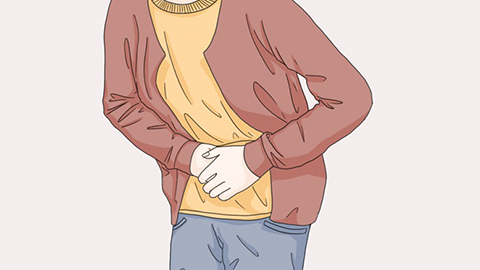
Examinations should be conducted at a reputable Grade A, Class III hospital. The evaluation should include inspection of the external genitalia, vagina, and cervix for any injury. Transvaginal or abdominal ultrasound can help detect abnormal endometrial thickening, uterine fibroids, ovarian cancer-related bleeding, or cysts. Women with dysmenorrhea may also present with menstrual clots; therefore, treatment should address both dysmenorrhea and clotting.
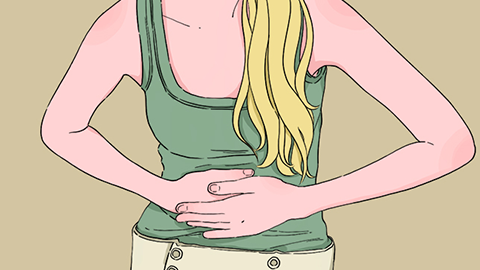
Excessive clotting may also result from consuming cold or icy foods—such as ice cream or chilled beverages—or engaging in intense physical activity during menstruation. These external stimuli, combined with menstrual blood flow, can trigger premature shedding of the endometrium, leading to increased clot formation. Prompt medical consultation is advised to avoid delaying diagnosis and treatment. Untreated underlying conditions may contribute to infertility. Therefore, sexual intercourse and vigorous exercise should be avoided during menstruation; instead, adequate rest and bed rest are recommended.



