


Can patients with coronary heart disease and diabetes drink water infused with Ophiopogon japonicus (Maidong)?
May 09, 2022
Source: Cainiu Health

Dr. Pan Yongyuan
Introduction
It is acceptable to drink moderate amounts of water infused with Ophiopogon japonicus (Maidong). Since diabetic patients who consume tea made from Maidong typically do not experience significant blood glucose fluctuations, it is generally considered safe in this regard. However, some diabetic patients may experience throat discomfort after consuming Maidong. It is recommended to consult a physician at a hospital and obtain a definitive diagnosis from an otolaryngologist before deciding whether Maidong therapy is appropriate.
Among individuals with diabetes, over 65% also suffer from coronary heart disease (CHD). CHD is recognized by the medical community as one of the leading causes of death in diabetic patients, making dietary management especially critical. So, can patients with both CHD and diabetes drink water infused with Ophiopogon japonicus (Maidong)?
Can patients with both coronary heart disease and diabetes drink water infused with Ophiopogon japonicus (Maidong)?
Yes, moderate consumption of Maidong-infused water is generally acceptable. For diabetic patients, drinking tea made from Maidong does not typically cause significant fluctuations in blood glucose levels. However, some diabetic patients may experience throat discomfort after consuming Maidong. In such cases, it is advisable to consult a physician—specifically an otolaryngologist—for proper diagnosis before deciding whether Maidong therapy is appropriate.
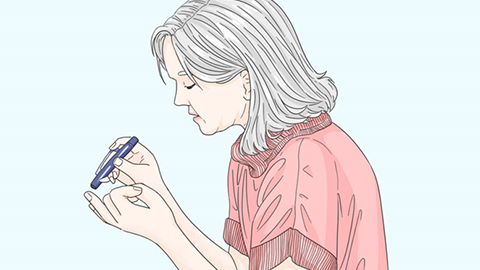
Maidong may help alleviate angina pectoris and chest tightness, and may also contribute to improved glycemic control. Thus, for patients with both CHD and diabetes, Maidong may be suitable for adjunctive use. Typically, 45 g of Maidong is decocted in water to yield 30–40 mL of liquid, administered in divided doses. However, dietary or herbal interventions should never replace standard pharmacological treatment. Given that your relative has multiple underlying conditions, regular monitoring of blood pressure and blood glucose is essential. If either parameter is elevated, timely pharmacologic intervention is necessary to control hypertension and hyperglycemia, thereby preventing disease progression. Only once the condition is stabilized should dietary adjustments be gradually introduced. We recommend visiting a reputable hospital for comprehensive evaluation and timely initiation of appropriate treatment.
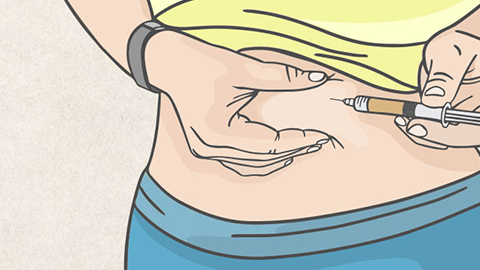
Patients should maintain regular rest schedules, engage in appropriate physical activity, adhere to a low-salt, low-fat diet, and actively manage modifiable risk factors for coronary heart disease. We hope this information proves helpful.






