


How to Treat Frostbite on the Fingers
May 16, 2022
Source: Cainiu Health

Dr. Liu Wan
Introduction
Hand frostbite refers to tissue damage caused by prolonged exposure to cold, damp environments, leading to vasoconstriction and spasm of the skin blood vessels in the hands, resulting in ischemia and hypoxia. Over time, local capillaries dilate and their permeability increases, allowing intravascular substances to leak into the surrounding tissues—thus causing this condition. Treatment primarily focuses on keeping the hands warm and dry.
During winter, fingers are highly susceptible to frostbite due to cold exposure, which can significantly impair quality of life. So, how is finger frostbite treated?
How to Treat Finger Frostbite
Hand frostbite occurs when the hands are exposed for prolonged periods to cold, damp environments, causing vasoconstriction and spasm of cutaneous blood vessels in the hands. This leads to tissue ischemia and hypoxia, resulting in cellular damage. Over time, local capillaries dilate and their permeability increases, allowing intravascular substances to leak into surrounding tissues—triggering the condition. Primary treatment strategies focus on keeping the hands warm and dry. Regular physical exercise is also recommended to enhance peripheral circulation and improve overall cold tolerance.
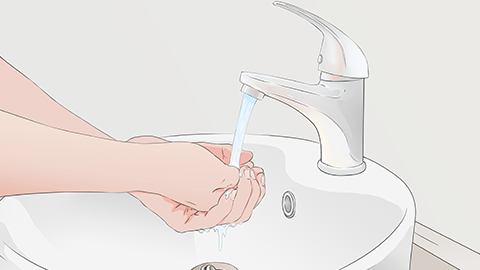
For topical treatment: if chilblains (frostbite lesions) on the hands remain intact (unbroken), vitamin E ointment or chilblain ointment may be applied externally. If lesions rupture, antibiotic ointments may be used, optionally combined with helium–neon laser therapy. Oral vasodilators—including nicotinamide and nifedipine—may also be prescribed. Additionally, anisodamine hydrochloride and pentoxifylline have demonstrated some therapeutic efficacy.
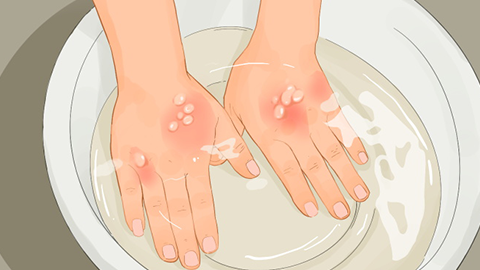
Numerous home-based approaches exist for managing finger frostbite in daily life. It is advisable to soak fingers in warm water every evening before bed, followed by gentle massage to promote local circulation. Application of chilblain ointment or blood-activating and stasis-resolving medications may further aid recovery—though consistent, long-term use is typically required for noticeable improvement. Preventive measures include adequate cold protection and wearing properly fitted clothing (neither too loose nor too tight) to avoid recurrent frostbite. We hope this article has been helpful. Wishing you a joyful life and good health!




