


What should I do if I have foul-smelling breath caused by gastrointestinal issues?
May 17, 2022
Source: Cainiu Health

Dr. Zhao Haiming
Introduction
Treatment may involve medications that improve gastrointestinal and digestive function. The most common gastrointestinal cause of halitosis is diminished gastric motility and impaired digestion, leading to prolonged food retention in the stomach, inadequate fermentation, and reflux of foul-smelling gases into the oral cavity—manifesting as bad breath. Helicobacter pylori infection may also contribute to halitosis; H. pylori produces urease, which breaks down urea to generate malodorous gases.
Many people experience halitosis (bad breath) in daily life—particularly when it stems from gastrointestinal issues—which can significantly impair both personal and professional life. So, what can be done about gastrointestinal-related halitosis?
How to Address Gastrointestinal Halitosis
Gastrointestinal halitosis can be treated with medications that improve gastric and digestive function. The most common cause of halitosis related to gastrointestinal disease is diminished gastric motility and impaired digestion, leading to prolonged food retention in the stomach. This results in inadequate fermentation and the retrograde flow of malodorous gases into the oral cavity, manifesting as bad breath. Additionally, Helicobacter pylori infection may contribute to halitosis: H. pylori produces urease, which breaks down urea to generate foul-smelling gases.
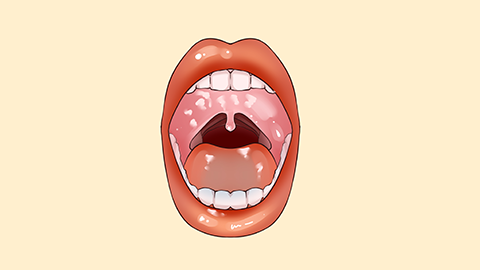
When halitosis arises from reduced gastric motility or compromised digestive function, treatment may include oral medications designed to enhance gastrointestinal motility and digestive efficiency. Probiotics may also be taken orally to modulate intestinal microbiota and reduce the population of gas-producing pathogenic bacteria. Such interventions can markedly improve digestive function, decrease gas production in both the stomach and intestines, and thereby alleviate halitosis. Furthermore, testing for Helicobacter pylori infection should be considered. If infection is confirmed, quadruple therapy targeting H. pylori is recommended.
Dietary modifications are also essential: patients should consume light, easily digestible foods and increase intake of fresh fruits and vegetables. Spicy or irritating foods should be avoided, as they may exacerbate gastrointestinal burden and hinder recovery. We hope this information proves helpful!



