


What Causes Tinnitus After Drinking Alcohol?
May 18, 2022
Source: Cainiu Health

Dr. Pan Yongyuan
Introduction
Tinnitus after drinking alcohol is typically caused by the following factors. The most common factor is that, after excessive alcohol consumption, ethanol in the alcohol rapidly enters the gastrointestinal tract and is metabolized by hepatic aldehyde dehydrogenase into acetaldehyde. Acetaldehyde causes dilation of peripheral capillaries, particularly in regions where capillary networks are rich and well-developed—such as around the ears—resulting in pronounced vasodilation, which can trigger tinnitus.
Tinnitus after drinking alcohol is a common occurrence in daily life. Many individuals also experience dizziness and vertigo. Prompt medical treatment is essential when symptoms arise. So, what causes tinnitus following alcohol consumption?
What Causes Tinnitus After Drinking Alcohol?
Tinnitus after alcohol consumption is typically attributable to several factors. The most common cause is excessive alcohol intake: ethanol in alcoholic beverages rapidly enters the gastrointestinal tract and is metabolized by hepatic aldehyde dehydrogenase into acetaldehyde. Acetaldehyde exerts a vasodilatory effect on peripheral capillaries—particularly in regions rich in capillary networks, such as the ears—resulting in noticeable capillary dilation, which may trigger tinnitus.
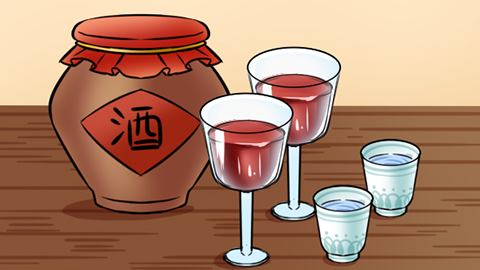
Tinnitus following alcohol consumption may also be associated with sudden cerebral hypoperfusion. Excessive alcohol intake can precipitate acute cerebral hypoperfusion, leading to neurogenic tinnitus. Transient insufficiency of blood supply to the cerebral arteries may induce neurogenic tinnitus, manifesting clinically as ear discomfort after drinking. Additionally, neurogenic tinnitus may result from direct stimulation of the auditory nerve by alcohol.

Cerebral hypoperfusion is frequently caused by arteriosclerosis. Microcirculatory agents—including nimodipine, various ginkgo biloba preparations, and nicardipine—can improve cerebral blood flow. Traditional Chinese medicine (TCM) also demonstrates efficacy in managing cerebral hypoperfusion, such as Xuesaitong capsules and other Sanqi (Panax notoginseng)-based formulations with blood-activating and stasis-resolving properties. For instance, Qingnao Xuekang Granules are commonly used clinically and may be selected based on individual patient circumstances. We hope this article has been helpful. Wishing you a joyful life and good health!






