


What vegetables can be eaten when uric acid levels are high?
May 19, 2022
Source: Cainiu Health

Dr. Liu Aihua
Introduction
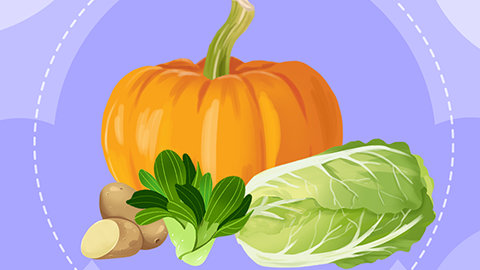
Patients with high uric acid levels may consume more low-purine vegetables, such as tubers—including sweet potatoes and potatoes—as well as tomatoes, broccoli, and pumpkin, which are rich in mineral elements. All vegetables are low in purines and help lower uric acid; therefore, they should be consumed in appropriate amounts. Pomegranates are alkaline foods that help regulate the body’s acid-base balance and reduce uric acid levels.
With improvements in living standards, an increasing number of people are experiencing elevated uric acid levels in daily life—not only harming their physical health but also significantly affecting their quality of life and work performance. Understanding this condition is essential for effective prevention and treatment. So, which vegetables are suitable for individuals with high uric acid?
Vegetables Suitable for Individuals with High Uric Acid
Patients with hyperuricemia may consume vegetables low in purines, such as root vegetables—including sweet potatoes and potatoes—as well as tomatoes, broccoli, and pumpkin, which are rich in mineral elements. In general, most vegetables are low-purine and thus beneficial for lowering uric acid levels; moderate to increased intake is encouraged. Pomegranates are alkaline foods that help regulate the body’s acid-base balance and reduce uric acid. Lemons contain flavonoids, which aid in vascular softening and uric acid reduction.
Celery possesses diuretic and laxative properties and is safe for consumption even during gout attacks. Radishes contain multiple vitamins that promote intestinal digestion and absorption, thereby accelerating the elimination of excess uric acid from the body. Winter melon has diuretic, edema-reducing, dampness-resolving, and summer-heat-relieving effects; its high potassium and low sodium content facilitates uric acid excretion. Fresh lotus leaves act on the spleen and stomach meridians, clearing heat and relieving summer-heat while protecting the liver and reducing fat—thus supporting uric acid excretion. Coix seed (Job’s tears) is sweet, bland, and slightly cold in nature; it strengthens the spleen and stomach, nourishes the lungs, clears heat, dispels wind, and resolves dampness—all actions conducive to uric acid elimination. Patients with hyperuricemia may regularly consume winter melon soup or decoctions made from lotus leaf and coix seed, both of which support uric acid excretion.
In daily life, avoid spicy and stimulating foods, and drink plenty of water to promote metabolism. Engage in appropriate outdoor exercise to enhance immunity. We hope this information proves helpful to you!




