


Differences Between Laryngitis and Pharyngitis
May 20, 2022
Source: Cainiu Health

Dr. Guo Xiheng
Introduction
The key distinction lies in the primary anatomical site involved: laryngitis primarily affects the larynx—specifically the vocal cords and glottis—leading to symptoms such as hoarseness, dyspnea, or localized pain during onset. In contrast, pharyngolaryngitis involves both the pharynx and larynx—that is, the regions associated with swallowing and the oral cavity—thus potentially manifesting symptoms of both conditions, including sore throat, a foreign-body sensation, throat itching, cough, hoarseness, and dyspnea.
Pharyngitis and laryngitis are two extremely common conditions in daily life and are among the upper respiratory tract infections. Many people find it difficult to distinguish between them—so what are the differences between laryngitis and pharyngitis?
Differences Between Laryngitis and Pharyngitis
The primary distinction lies in the anatomical site involved. Laryngitis affects the larynx—specifically the vocal cords and glottis—and typically presents with hoarseness, dyspnea (difficulty breathing), or localized pain. In contrast, pharyngolaryngitis involves both the pharynx and larynx—that is, the region extending from the oral cavity through the swallowing passage—thus potentially manifesting symptoms of both conditions, including sore throat, foreign-body sensation, throat itching, cough, hoarseness, and dyspnea. Therefore, the key difference stems from the extent of involvement. Treatment may include nebulization therapy—for instance, using Pulmicort Respules (budesonide inhalation suspension). Severe laryngitis can lead to significant hoarseness and respiratory distress, for which corticosteroids—such as oral prednisone tablets—may be prescribed. Pharyngitis, on the other hand, may be managed with traditional Chinese patent medicines, such as Qinlan Oral Liquid or Compound Houttuynia Capsules.
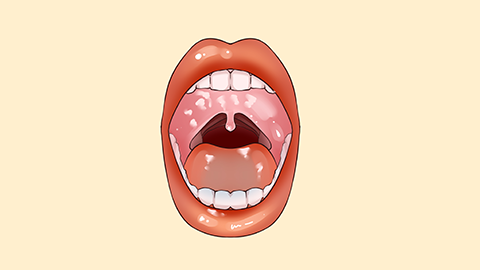
In daily life, scientific nursing is essential for patients with pharyngitis or laryngitis. Numerous nursing measures exist, one of the most important being avoidance of excessive voice use, as this can directly exacerbate the condition.

Additionally, maintaining good hygiene is critically important for patients with pharyngitis or laryngitis, as poor hygiene significantly increases the risk of complications. We hope this information proves helpful to you.




