


Which vegetables should be avoided when uric acid levels are high?
May 20, 2022
Source: Cainiu Health

Dr. Liu Aihua
Introduction
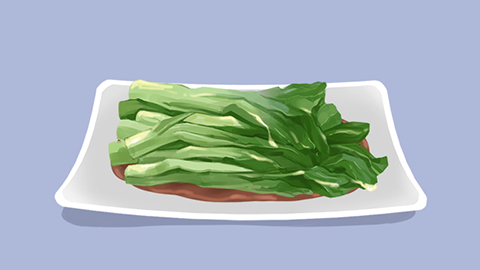
Common examples include lettuce, spinach, amaranth, mustard greens, and green beans. These vegetables contain relatively high levels of oxalic acid, which combines with calcium in the intestines to form calcium oxalate—potentially leading to kidney stones, urinary obstruction, and impaired uric acid excretion. Therefore, individuals with hyperuricemia are advised to avoid these vegetables. Among flowering vegetables, cauliflower is common; it is high in purines, which may elevate serum uric acid levels or exacerbate gout symptoms.
Patients with hyperuricemia know they should follow a low-purine diet and are aware that certain meats must be avoided. But which vegetables should they avoid?
Vegetables to Avoid with Hyperuricemia
Common examples include lettuce, spinach, amaranth, mustard greens, and green beans. These vegetables contain relatively high levels of oxalic acid, which combines with calcium in the intestines to form calcium oxalate—potentially leading to kidney stones, impaired urinary function, and reduced uric acid excretion. Therefore, individuals with elevated uric acid levels are advised to avoid these vegetables. Among flowering vegetables, cauliflower is notable for its relatively high purine content, which may further elevate serum uric acid levels or exacerbate gout symptoms. Similarly, fungi—including shiitake mushrooms, button mushrooms, enoki mushrooms, and silver ear fungus—are rich in protein, fat, amino acids, and minerals, yet also contain high levels of purines. Excessive intake may disrupt purine metabolism or cause purine accumulation, hindering recovery.

Uric acid is the end product of purine metabolism, primarily generated through enzymatic breakdown of nucleic acids, other intracellular purine compounds, and dietary purines. Consequently, adherence to a low-purine diet is an essential and strict dietary principle for patients with hyperuricemia.
Foods low in purines are generally safe for consumption. Most vegetables, fruits, dairy products, rice, and noodles contain low levels of purines and are suitable for daily intake. With the exception of peanuts, mung beans, and black rice, most starchy foods—including rice noodles—are acceptable even for individuals with hyperuricemia. Note, however, that yeast powder contains relatively high levels of purines; therefore, it is advisable to substitute steamed buns (which often contain yeast) with plain noodles. We hope this information proves helpful!




