


Normal Refractive Values for Children’s Eyes
May 23, 2022
Source: Cainiu Health

Dr. Chen You
Introduction
Vision typically reaches approximately 1.0 before school age and exceeds 1.0 by age 6. Some children may have slightly lower visual acuity than their peers, yet their refractive error remains within the normal range, and their vision develops normally with age. However, if visual function development is delayed or if a child has an abnormal refractive error, achieving normal visual acuity later in life may be difficult. Whether doing homework or watching television, screen time should not be excessive.
Vision problems are becoming increasingly severe, with the number of children developing myopia rising year after year—leaving many parents deeply regretful. Childhood vision issues have become one of society’s most pressing concerns. So, what are the normal refractive values for children’s eyes?
Normal Refractive Values for Children’s Eyes
Prior to school age, most children achieve visual acuity of 1.0; by age six, many reach visual acuity above 1.0. Some children may have slightly lower visual acuity than their peers, yet still fall within the normal range of refractive error—and their vision typically improves naturally with age. However, if visual function development is delayed or if a child has abnormal refractive error, achieving normal vision later in life may prove difficult. Whether doing homework or watching television, prolonged near work should be avoided. It is advisable to take a short break every 30 minutes. Encourage your child to engage in physical activity and avoid excessive eye strain.
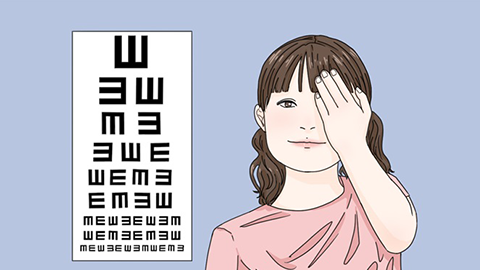
At birth, an infant’s eyes are small and naturally hyperopic (farsighted). As the child grows, the eyeball gradually enlarges; by approximately age six, it reaches a size close to that of a normal adult eye, transitioning into emmetropia—neither hyperopic nor myopic. Emmetropic vision corresponds to a visual acuity of 1.0. Once children begin formal schooling and spend more time reading at close distances, their eyes may start shifting toward myopia. Thus, visual development in childhood is a dynamic process—not one that achieves adult-level vision immediately from birth.
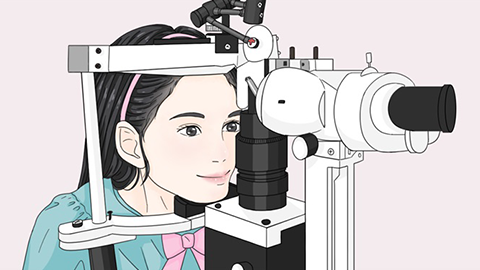
Childhood is a critical and sensitive period for visual development, requiring adequate intake of multiple essential nutrients. A diet rich in high-quality protein and vitamins serves as a protective factor for refractive development in preschool-aged children. We hope this information proves helpful. Wishing you a joyful life and good health!



