


Hypotension Exercise Methods
Aug 08, 2022
Source: Cainiu Health

Dr. Li Man
Introduction
Patients with hypotension should not only focus on active management but also pay attention to their daily exercise routines—opting primarily for aerobic activities such as aerobics, tai chi, yoga, cycling, and brisk walking, while avoiding strenuous exercise. Nutritional balance is equally important, as adequate nutrient intake is essential for individuals with hypotension. For example, they should regularly consume foods rich in nutrients, such as fish, shrimp, eggs, milk, fruits, and vegetables.
Frequent unhealthy dietary habits and chronic sleep deprivation may contribute to hypotension. Daily lifestyle adjustments and appropriate physical exercise are essential. So, what types of exercise are suitable for individuals with hypotension?
Exercise Recommendations for Hypotension
Individuals with hypotension should not only actively manage their condition but also pay attention to appropriate forms of exercise. Aerobic activities—such as aerobics, tai chi, yoga, cycling, and brisk walking—are generally recommended, while intense or strenuous exercise should be avoided. Nutritional balance is equally important, as adequate nutrient intake is crucial for those with low blood pressure. For example, consuming more fish, shrimp, eggs, milk, fruits, and vegetables is advisable. Dizziness is a common symptom in hypotensive patients; if symptoms are severe, medical evaluation is warranted, and antihypotensive medications prescribed by a physician may help alleviate symptoms. Regular health check-ups are advised, and management strategies should be adjusted based on treatment progress and individual response.
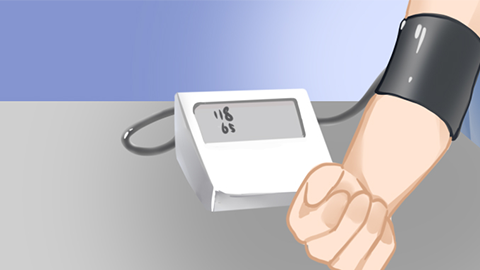
Management of hypotension should begin with adjustments to diet, rest, physical activity, and exercise. Dietarily, emphasis should be placed on protein-rich foods; staying up late should be avoided; and regular participation in physical activity is encouraged. Exercise can improve hypotension to some extent by enhancing gastrointestinal absorption and boosting cardiopulmonary function. Additionally, other potential underlying causes—such as severe anemia, profound hypoalbuminemia, or significant hypothyroidism—should be ruled out. Prompt medical consultation is essential for timely diagnosis and appropriate intervention.
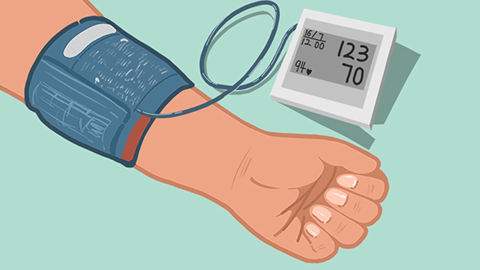
If you experience hypotension, seek professional medical evaluation and treatment promptly. I hope this response has been helpful. Wishing you good health and happiness!





