


Spleen deficiency with blood stasis syndrome
Aug 12, 2022
Source: Cainiu Health

Dr. He Haochen
Introduction
Spleen deficiency with blood stasis typically manifests as fatigue in the limbs, poor bowel movements, excessive drowsiness due to spleen deficiency, indigestion, insufficient qi and blood—leading to symptoms of blood deficiency such as sallow, pale complexion, scanty menstrual flow, general debility, weak pulse, limb weakness, lethargy, and concurrent blood deficiency and spleen deficiency. For nutritional support, traditional Chinese medicine (TCM) therapy is generally recommended; TCM formulas often promote blood circulation and resolve stasis. Brown sugar water is also beneficial.
The spleen is the foundation of acquired constitution. Spleen deficiency can lead to symptoms such as loss of appetite and limb fatigue. Moreover, spleen deficiency and dampness mutually influence each other, potentially triggering other systemic disorders. Spleen deficiency accompanied by dampness is further classified into “damp-heat” and “cold-damp” patterns. Then, what are the symptoms of spleen deficiency with blood stasis?
Symptoms of Spleen Deficiency with Blood Stasis
The most common symptom of spleen deficiency with blood stasis is decreased appetite. “Blood stasis” refers to impaired circulation of Qi and blood in the body due to various underlying causes. Generally, symptoms associated with spleen deficiency and blood stasis can be categorized into two groups: those attributable to spleen deficiency and those resulting from blood stasis. For instance, spleen deficiency may manifest as anorexia, irregular bowel movements, and fatigue; whereas blood stasis may present as ecchymosis (bruising) on the skin or sharp, stabbing pain at a fixed location during nighttime. It is advisable to identify and eliminate potential triggers of spleen deficiency—such as avoiding chilled watermelon, ice cream, and carbonated beverages—and minimizing prolonged exposure to air conditioning.
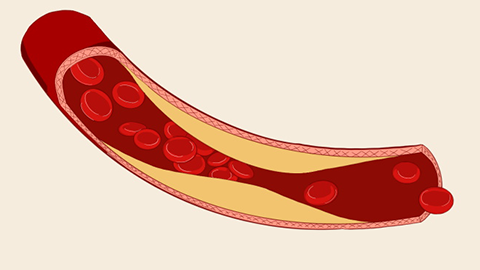
The primary causes of spleen deficiency include excessive consumption of cold or raw foods, physical inactivity, irregular eating habits, overeating, frequent intake of spicy or greasy foods, extreme dieting, chronic illness, and constitutional weakness—all of which may impair the functional integrity of the spleen and stomach, thereby precipitating spleen deficiency. Therapeutically, treatment should focus on strengthening the spleen and fortifying the stomach, incorporating both dietary modifications and pharmacological interventions. Commonly prescribed herbal formulas include Jian Pi Wan (Spleen-Strengthening Pill) and Shen Ling Bai Zhu San (Ginseng, Poria, and Atractylodes Powder). Dietary therapy often includes nourishing foods such as Chinese yam, jujube (red dates), and barley congee. Additionally, correcting unhealthy lifestyle habits is essential.
Patients exhibiting the above-mentioned symptoms should seek timely medical evaluation at a hospital to ensure early detection, accurate diagnosis, and prompt treatment—thus optimizing therapeutic outcomes. We hope this information proves helpful to you.




