


Treatment of Dyshidrotic Eczema
Aug 24, 2022
Source: Cainiu Health

Dr. Liu Wan
Introduction
Treatment of sweat blisters primarily involves topical medications and systemic oral drugs. Topical corticosteroid creams include clobetasol propionate cream and mometasone furoate cream. Other topically applicable agents include calamine lotion. Antipruritic ointments—such as cyproheptadine cream and chloramphenicol hydrochloride cream—may also be used. If the patient experiences emotional tension, sedatives may be appropriately prescribed.
Dyshidrotic eczema is a common type of eczema, typically triggered by sweat glands. Patients often experience pronounced itching and a stinging or burning sensation.
Treatment Options for Dyshidrotic Eczema
Management of dyshidrotic eczema primarily involves topical medications and systemic (oral) drugs. Topical corticosteroid creams—such as clobetasol propionate ointment and mometasone furoate cream—are commonly prescribed. Other topical agents include calamine lotion, which helps soothe the skin. Antipruritic (anti-itch) ointments—such as cyproheptadine cream and chloramphenicol hydrochloride cream—may also be used. If patients experience significant anxiety or emotional stress, mild sedatives may be considered as adjunctive therapy.
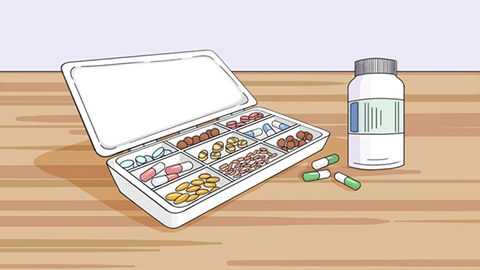
Dyshidrotic eczema is associated with hot, humid environments, excessive sweating, and impaired sweat excretion. Early identification and elimination of triggering factors—combined with appropriate topical and systemic treatment—can lead to full resolution in most cases. However, when underlying triggers persist or cannot be eliminated, recurrence is common—even after symptoms have subsided with medication. Therefore, prevention should begin with daily lifestyle adjustments rather than relying solely on pharmacotherapy.

Patients should prioritize rest and avoid overexertion, as this significantly supports recovery from dyshidrotic eczema. Prompt medical consultation is strongly recommended. We hope this information has been helpful.




