


Can a person with hepatitis B "big three positives" get pregnant?
Sep 13, 2022
Source: Cainiu Health

Dr. Jiang Weimin
Introduction
Patients with hepatitis B "big three positives" can have children, as long as they choose a period when liver function is stable to become pregnant normally. During the seventh, eighth, and ninth months of pregnancy, one dose of high-titer hepatitis B immunoglobulin should be administered. Within 24 hours after birth, the newborn should receive the first dose of high-titer immunoglobulin, followed one month later by the second dose of high-titer immunoglobulin and the first dose of hepatitis B vaccine.
Pregnancy is possible for individuals with chronic hepatitis B "big three positive" status. During pregnancy, it's essential to monitor liver function closely and maintain regular follow-ups. Maternal-fetal transmission can be effectively blocked starting from the 28th week of gestation, and antiviral medications can typically be discontinued after delivery. Breastfeeding is generally safe under these circumstances. Can someone with hepatitis B "big three positive" status get pregnant?
Can Someone with Hepatitis B 'Big Three Positive' Status Get Pregnant?
Individuals with hepatitis B "big three positive" status can have children, provided they become pregnant during a period when liver function is stable. In the seventh, eighth, and ninth months of pregnancy, one dose of high-titer hepatitis B immunoglobulin should be administered. Within 24 hours after birth, the newborn should receive the first dose of high-titer hepatitis B immunoglobulin, followed one month later by a second dose of immunoglobulin and the first dose of the hepatitis B vaccine. The remaining two doses of the hepatitis B vaccine should then be given according to the standard 0-1-6 month vaccination schedule. Currently, the success rate of preventing mother-to-child transmission exceeds 95%. Hepatitis B is a chronic infectious disease that cannot be completely cured or turned negative. As long as liver function remains normal, pregnancy and childbirth are feasible.
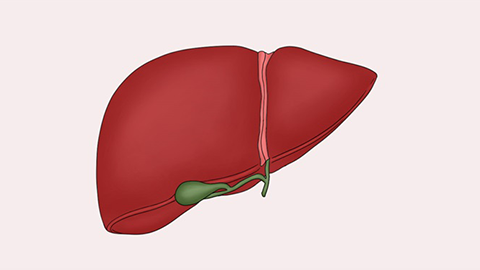
For pregnant women with hepatitis B "big three positive" status, it's important to consume adequate calories and sufficient protein to maintain nitrogen balance, improve liver function, and promote the repair and regeneration of damaged liver cells. An appropriate amount of carbohydrates should be provided, dietary fat should be moderately restricted, and adequate vitamins and minerals should be supplemented. Alcohol and other substances harmful to the liver must be avoided.

As long as the fetus is developing healthily, routine monitoring through abdominal color ultrasound, hepatitis B DNA testing, hepatitis B panel (five-item test), and alpha-fetoprotein checks should be performed on schedule. Adequate rest and avoiding late nights are also important. We hope this information is helpful to you. Wishing you good health and happiness in life.



