


Home remedies for the treatment of postherpetic neuralgia
Sep 13, 2022
Source: Cainiu Health

Dr. Liu Wan
Introduction
This formula is remarkably effective in treating postherpetic neuralgia. The main ingredients include clove (Ding Xiang), turmeric (Yu Jin), Chuanxiong rhizome (Chuan Xiong), red peony root (Chi Shao), bupleurum (Chai Hu), immature bitter orange (Zhi Ke), isatis root (Ban Lan Gen), and licorice (Gan Cao). For patients with severe pain, additional herbs such as Wu Ling Zhi, Puhuang, and borneol may be combined. Grind all the herbs into a fine powder, encapsulate, and take with warm water. Postherpetic neuralgia patients may also use cactus (Xian Ren Zhang) as a treatment.
In daily life, some people may develop herpes zoster, causing severe physical pain and significantly affecting their daily life and work. The pain associated with herpes zoster can be extremely unbearable. So, what are the home remedies for treating postherpetic neuralgia?
Home Remedies for Postherpetic Neuralgia
This remedy for postherpetic neuralgia has shown significant therapeutic effects. The main ingredients include clove (Dingxiang), turmeric (Yujin), Chuanxiong rhizome (Chuanxiong), red peony root (Chishao), bupleurum (Chaihu), immaturity fruit of citrus (Zhike), isatis root (Banlangen), and licorice (Gancao). For patients experiencing severe pain, additional herbs such as wulingzhi, pulvis talci (Puhuang), and borneol (Bingpian) can be added. Grind all the herbs into a fine powder, encapsulate, and take with warm water. Patients with postherpetic neuralgia may also use cactus for treatment. Preparation method: prick fresh cactus leaves, remove the skin, mash them thoroughly, mix in an appropriate amount of egg white and soil collected from under a prickly ash tree, then apply the resulting paste directly to the painful area.
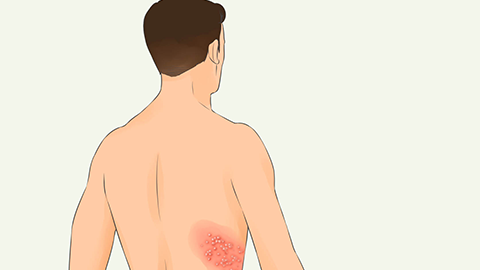
Herpes zoster is a viral skin disease caused by the varicella-zoster virus, characterized by clusters of blisters and nerve pain distributed along nerve pathways. In traditional Chinese medicine, it is known as "snake-like fire dragon" or "snake-like fire blister." Common folk names include "snake blister" and "spider sore." Neuralgia is a key feature of this condition. Even after the blisters have healed, some patients continue to experience persistent nerve pain in the affected area, which may last for months or even years—this is known as postherpetic neuralgia.
Patients should avoid spicy and irritating foods in daily life, refrain from eating allergenic or inflammatory foods ("trigger foods"), and ensure adequate rest and sleep. We hope this information helps you. Wishing you good health and happiness!






