


Can people with hepatitis B "big three positive" get married?
Dec 29, 2022
Source: Cainiu Health

Dr. Jin Zhongkui
Introduction
Most individuals with hepatitis B "big three positives" can get married and lead normal marital and reproductive lives. However, because the viral load in hepatitis B "big three positives" is typically high, there is a significant risk of transmitting the virus to children. Therefore, it is essential to properly manage the disease and control viral levels to prevent transmission to sexual partners. Additionally, healthy family members, especially those who have had sexual contact with the infected individual, should receive vaccination for prevention.
Hepatitis B "big three positives" is a common condition with a certain degree of infectivity, causing concerns for individuals with this condition when considering marriage. Can someone with hepatitis B "big three positives" get married?
Can people with hepatitis B 'big three positives' get married?
Most individuals with hepatitis B "big three positives" can get married and lead normal married lives without significant impact on fertility or family planning. However, one important consideration is that because the viral load in these patients is typically high, there's a greater risk of transmitting the virus to their children. Therefore, it's essential to properly manage the disease and control viral levels. Additionally, uninfected family members, especially sexual partners who have close contact, should receive hepatitis B vaccinations for prevention.

Excessive fatigue is a major contributing factor to hepatitis B "big three positives." Prolonged physical or mental strain can leave the body in a chronically overburdened state, weakening immunity and increasing susceptibility to illness. Other possible causes include malnutrition, chronic fatigue, injury, psychological stress, and drug toxicity.
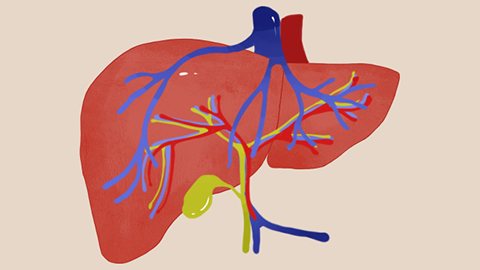
Patients with hepatitis B "big three positives" usually have a high viral load and are more contagious. However, those with normal liver function often do not exhibit typical symptoms of liver disease. Some individuals may experience gastrointestinal symptoms such as loss of appetite, nausea, vomiting, bloating, and diarrhea, along with discomfort in the liver area, hepatomegaly (enlarged liver), and tenderness. Some may also develop splenomegaly (enlarged spleen), palmar erythema (liver palms), spider nevi, or a characteristic "hepatopathic face." We hope this information is helpful to you. Wishing you good health and happiness!



