


How to treat acne during puberty
Dec 02, 2024
Source: Cainiu Health

Dr. Liu Wenmin
Introduction
Acne during puberty may be caused by overactive sebaceous glands, hormonal imbalances, impaired skin barrier function, endocrine disorders, bacterial infections, and other factors. It can be improved according to the specific circumstances. The sebaceous glands in the nasal area are particularly well-developed; when they become overactive, excessive sebum production can block pores and lead to the formation of acne.
Acne during puberty may be caused by overactive sebaceous glands, hormonal imbalances, impaired skin barrier function, endocrine disorders, bacterial infections, and other factors. Improvement can be made according to the specific situation. It is recommended to visit a hospital promptly and receive treatment under the guidance of a physician.
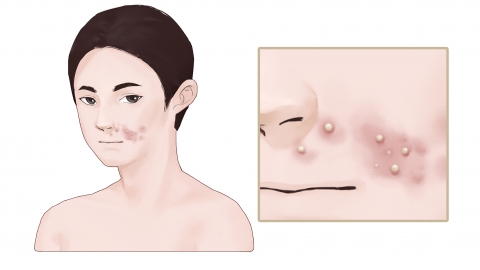
1. Overactive sebaceous glands: The sebaceous glands in the nasal area are relatively well-developed. When these glands become overactive, they produce excessive oil, which can block pores and lead to acne formation. Use facial cleansers and skincare products containing ingredients such as salicylic acid and phenoxyethanol to help control sebum production and remove dirt from pores.
2. Hormonal imbalance: Changes in hormone levels during puberty can lead to the development of acne. It is recommended to adjust lifestyle habits, ensure adequate sleep, maintain a healthy diet, and avoid consuming high-sugar and high-fat foods.
3. Impaired skin barrier: Improper skincare habits, such as frequent use of harsh cosmetics or facial cleansers, may damage the skin barrier, making acne more likely. Adjusting sleep patterns and improving skincare routines can reduce irritation to the skin and aid in restoring skin health.
4. Endocrine disorders: Improper diet and irregular作息 (作息 should be translated as "作息" here refers to sleep and activity patterns) can lead to abnormal endocrine function, causing irregular hormone secretion and resulting in the aforementioned conditions. It is recommended to promptly adjust diet and作息 habits, aiming for a light and healthy lifestyle, which may help alleviate symptoms.
5. Bacterial infection: The skin on the nose is prone to bacterial growth, especially Propionibacterium acnes. When these bacteria multiply excessively, acne can develop, possibly accompanied by symptoms such as pain, itching, and pus-filled bumps. It is recommended to follow medical advice and use medications such as erythromycin ointment, clindamycin ointment, or adapalene gel to improve the condition.
During treatment, the appropriate treatment plan should be selected based on the patient's specific condition, and it is important to follow the doctor's instructions and recommendations.


