


How to treat acne vulgaris
Dec 16, 2024
Source: Cainiu Health

Dr. Liu Wenmin
Introduction
Under normal circumstances, acne may be caused by hormonal changes during puberty, excessive stress, improper skin care, folliculitis, polycystic ovary syndrome, and other factors. It is recommended to seek medical attention promptly, identify the cause, and undergo general treatment, drug therapy, etc., under a doctor's guidance. In daily life, one should adjust lifestyle habits, maintain a light diet, and avoid spicy, irritating, and greasy foods.
In general, acne may be caused by hormonal changes during puberty, excessive stress, improper skin care, folliculitis, polycystic ovary syndrome, and other factors. It is recommended to seek timely medical attention, identify the cause, and undergo general treatment, medication, and other interventions under a doctor's guidance. A detailed explanation is as follows:
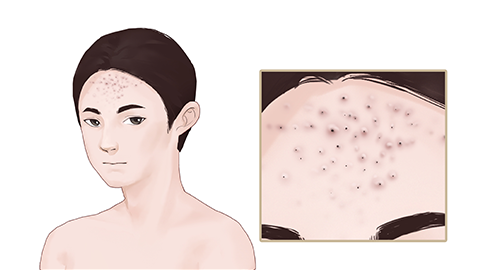
1. Hormonal changes during puberty: During puberty, increased levels of androgens in the body can stimulate the sebaceous glands to secrete excessive oil, leading to clogged pores and the formation of acne. It is important to develop good living habits, avoid strenuous exercise, and maintain normal hormone levels.
2. Excessive stress: Long-term mental tension or high stress can affect endocrine balance, triggering or worsening acne. Effective stress management techniques, such as engaging in moderate physical activity, practicing meditation or deep breathing, and ensuring adequate sleep, should be adopted.
3. Improper skin care: Neglecting proper skin care in daily life may result in poor skin condition, making it more susceptible to external environmental irritants, which can lead to acne. Regular skin cleansing is necessary, and using overly oily skincare products should be avoided.
4. Folliculitis: Folliculitis is a skin inflammation caused by bacterial infection, which can exacerbate acne symptoms and is often accompanied by redness, swelling, pain, and pus-filled blisters. Patients may use medications such as mupirocin ointment, fusidic acid cream, and compound polymyxin B ointment as directed by a physician.
5. Polycystic ovary syndrome: Patients with polycystic ovary syndrome have elevated androgen levels, which stimulate the sebaceous glands to produce more oil, leading to clogged hair follicles and the development of acne, often accompanied by symptoms such as menstrual irregularities, obesity, and hirsutism. Medications such as progesterone capsules, dydrogesterone tablets, and letrozole tablets may be used as directed by a physician.
In daily life, it is important to adjust lifestyle habits, maintain a light diet, avoid spicy, irritating, oily foods and excessive sweets, consume more fresh vegetables and fruits, and maintain healthy skin.





