


Why does my lower back hurt after a massage?
Dec 21, 2024
Source: Cainiu Health

Dr. Zhang Xiuhong
Introduction
In general, lower back pain after a massage may be caused by excessive massage pressure, unresolved muscle tension, local lactic acid buildup, lumbar muscle strain, or lumbar disc herniation. If discomfort occurs, it is recommended to seek medical attention promptly. Regularly strengthening the lower back muscles through exercises such as swimming, the "flying swallow" exercise, or the five-point support technique can enhance muscular strength and improve lumbar spine stability.
In general, lower back pain after a massage may be caused by excessive massage pressure, unresolved muscle tension, localized lactic acid buildup, lumbar muscle strain, lumbar disc herniation, and other factors. If discomfort persists, timely medical attention is recommended. Detailed explanations are as follows:
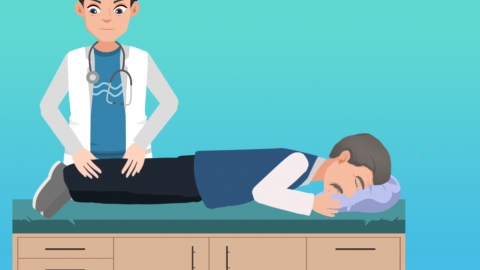
1. Excessive Massage Pressure
If the pressure applied during the massage exceeds the tolerance of the lumbar muscles, fascia, and surrounding soft tissues, it may cause excessive compression or stretching of these tissues, leading to tissue damage and pain. It is recommended to choose a professional and experienced massage therapist and clearly communicate your tolerance for pressure beforehand.
2. Unrelieved Muscle Tension
Some individuals may already have chronically tense and stiff lumbar muscles before the massage, such as those who sit or stand for prolonged periods. If the massage duration is insufficient or the techniques fail to precisely target the affected areas, the muscles may not fully relax. Instead, the stimulation during the massage may trigger a stress response in the already tense muscles, causing pain. Prior to massage, appropriate warm-up activities such as gentle lumbar twisting and stretching exercises may help relax the lumbar muscles. Extending the massage duration and ensuring comprehensive coverage of the affected muscle areas can also aid in muscle relaxation.
3. Localized Lactic Acid Accumulation
After intense physical activity, the lumbar muscles may produce large amounts of lactic acid. If not adequately metabolized and removed, lactic acid accumulation creates an acidic environment within the muscle, leading to soreness. Stimulation during the massage may further intensify this discomfort, making the post-massage lumbar pain more pronounced. Post-exercise stretching exercises can help promote lactic acid metabolism and excretion. Sufficient rest and adequate hydration are also important.
4. Lumbar Muscle Strain
Lumbar muscle strain is often caused by long-term repetitive overuse of the lower back, such as prolonged bending or frequent lifting of heavy objects, resulting in cumulative chronic damage to the lumbar muscles and fascia. Since the lumbar muscles and tissues are already chronically injured, external stimulation during massage may aggravate the condition, leading to increased pain and possibly accompanied by soreness and distension in the lower back. Medications such as ibuprofen sustained-release capsules, diclofenac diethylamine gel, and chlorzoxazone tablets may be used under a doctor's guidance for treatment.
5. Lumbar Disc Herniation
Lumbar disc herniation typically occurs due to degeneration of the lumbar intervertebral discs, partial or complete rupture of the annulus fibrosus, and protrusion of the nucleus pulposus, which compresses nearby nerve roots or the spinal cord. It is commonly triggered by long-term improper lumbar loading or lumbar trauma. Improper posture or uncontrolled pressure during massage may worsen the compression of surrounding tissues by the herniated disc, irritating the nerve roots and causing intensified lower back pain, often accompanied by radiating pain and numbness in the lower limbs. Treatment may involve medications such as mecobalamin tablets, Yaotongning capsules, and dexamethasone tablets, as directed by a physician.
In daily life, strengthening lumbar muscle exercises, such as swimming, the "flying swallow" exercise, and the five-point support method, can enhance lumbar muscle strength and improve spinal stability. It is also important to keep the lower back warm, avoid cold exposure, prevent muscle tension and spasms, and reduce the risk of lumbar diseases.





