


Why do I feel sore after a massage the next day?
Dec 27, 2024
Source: Cainiu Health

Dr. Zhang Xiuhong
Introduction
Soreness the day after a massage may be caused by muscle reactions, lactic acid buildup, muscle strain, fasciitis, or myofascial pain syndrome. In daily life, it is advisable to maintain moderate exercise to enhance muscular endurance and reduce lactic acid accumulation. Additionally, for first-time massages, it is recommended to choose shorter massage durations and gentler pressure to allow the body to adjust gradually.
Generally, body aches the day after a massage may be caused by muscle reactions, lactic acid buildup, muscle strain, fasciitis, or myofascial pain syndrome. Detailed explanations are as follows:
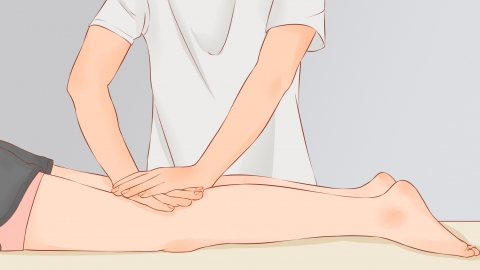
1. Muscle Reaction
During a massage, muscles undergo compression and stretching, which may trigger mild inflammatory responses. This is a normal reaction of the body's self-repair and strengthening process. Such reactions usually cause temporary muscle soreness, which is an adaptive response of muscles to massage stimulation. Performing proper warm-up and relaxation exercises before and after a massage, such as deep breathing and slow stretching, can help reduce muscle tension and prevent soreness.
2. Lactic Acid Buildup
In individuals who lack regular exercise or have been inactive for a long time, increased muscle activity after a massage may lead to increased production of lactic acid, which then accumulates in the muscles. Lactic acid is a metabolic byproduct generated during physical activity, and its accumulation can cause muscle soreness. Maintaining regular moderate exercise in daily life can improve muscle endurance and reduce lactic acid buildup. Adequate rest and hydration after a massage can promote lactic acid metabolism, while local heat application can accelerate its absorption.
3. Muscle Strain
Muscle strain may result from excessive pressure or prolonged duration during a massage, leading to overuse of muscles. Muscle strain may cause enhanced local anaerobic metabolism, producing large amounts of lactic acid and other metabolic waste, thereby causing muscle soreness. Symptoms such as muscle stiffness and numbness may also accompany this condition. Treatment may include medications such as ibuprofen sustained-release capsules, acetaminophen tablets, or diclofenac sodium enteric-coated tablets, as recommended by a physician.
4. Fasciitis
Fasciitis is often caused by chronic strain or trauma over a long period, and massage may exacerbate the inflammatory response. Inflammatory factors can irritate surrounding tissues, potentially causing generalized body aches the day after a massage. Accompanying symptoms may include muscle tension and tenderness. Treatment may include medications such as ketorolac tromethamine injection, ibuprofen tablets, or celecoxib capsules, as directed by a physician.
5. Myofascial Pain Syndrome
Myofascial pain syndrome may be caused by maintaining the same posture for extended periods or excessive fatigue leading to damage of the myofascial tissues. When the myofascial tissues are injured, generalized body aches may occur the day after a massage. Symptoms such as tenderness and stabbing pain may also appear. Treatment should follow medical advice and may include medications such as naproxen tablets, eperisone hydrochloride tablets, or amoxicillin capsules.
In daily life, maintaining moderate exercise to improve muscle endurance can help reduce lactic acid accumulation. When receiving a massage for the first time, it is advisable to choose a shorter session with gentle pressure to allow the body to gradually adapt. Frequent massages should be avoided to prevent additional strain on the muscles.







