


What are the functions, benefits, and side effects or contraindications of mulberries?
Feb 14, 2025
Source: Cainiu Health

Dr. Bai Hongmei
Introduction
Under normal circumstances, mulberries have functions and benefits such as nourishing yin and enriching blood, promoting salivation and relieving dryness, darkening hair and improving vision, enhancing immunity, and antioxidant effects against aging. Possible side effects include elevated blood sugar levels, allergic reactions, nosebleeds, impaired iron absorption, and exacerbation of deficiency-cold symptoms. Contraindications may include caution for pregnant women, individuals with spleen deficiency and loose stools should avoid consumption, diabetic patients should consume with caution, individuals with allergic constitutions should exercise caution, and women during menstruation should also consume with caution.
Generally speaking, mulberries have the following effects and benefits: nourishing yin and enriching blood, promoting saliva and relieving dryness, improving hair and vision, enhancing immunity, and antioxidant and anti-aging effects. Potential side effects include elevated blood sugar levels, allergic reactions, nosebleeds, impaired iron absorption, and exacerbation of deficiency-cold symptoms. Contraindications may include caution for pregnant women, avoidance for those with spleen deficiency and loose stools, caution for diabetic patients, caution for individuals with allergies, and caution for women during menstruation. Detailed analysis is as follows:
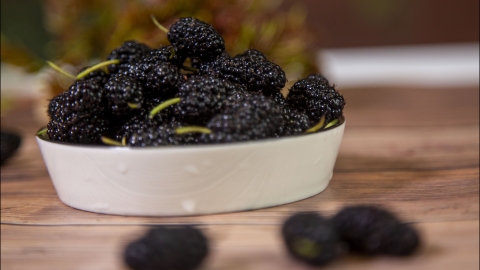
I. Effects and Benefits
1. Nourishing Yin and Enriching Blood
Mulberry fruit has a sweet and sour taste and is cold in nature. It is rich in iron, which can promote hemoglobin synthesis, increase the number of red blood cells in the blood, and thus nourish yin and enrich blood. It may help improve symptoms such as female menstrual disorders and blood deficiency amenorrhea.
2. Promoting Saliva and Relieving Dryness
Mulberries contain abundant water and organic acids, which can stimulate saliva secretion, relieve symptoms of thirst and dry throat, and promote intestinal motility, increasing intestinal moisture. This provides the effect of promoting saliva and relieving dryness, and can help alleviate constipation caused by intestinal dryness.
3. Improving Hair and Vision
Nutrients in mulberries can nourish the liver and kidneys. In traditional Chinese medicine, deficiency of the liver and kidneys is believed to easily lead to premature graying of hair and vision deterioration. Mulberries nourish the liver and kidneys, providing sufficient nutrition for hair and eyes, making hair black and glossy, and helping prevent and improve symptoms such as dry eyes and blurred vision.
4. Enhancing Immunity
Mulberries are rich in various vitamins, minerals, and bioactive components. These nutrients can enhance immune cell activity, promote the synthesis of immunoglobulins, thereby improving the body's resistance, and reducing the occurrence of diseases.
5. Antioxidant and Anti-aging Effects
Mulberries contain antioxidant substances such as flavonoids and polyphenols, which can effectively remove free radicals in the body, reduce damage to cells caused by free radicals, delay the aging process of cells, maintain the normal functions of various organs, and thus achieve antioxidant and anti-aging effects.
II. Side Effects of Mulberries
1. Elevated Blood Sugar Levels
Although mulberries contain certain blood sugar-lowering components, they themselves also contain a certain amount of sugar, especially ripe mulberries, which have a relatively high sugar content. If diabetic patients or individuals with poor blood sugar control consume excessive amounts, it may cause a rapid increase in blood sugar levels in a short time, which is not conducive to stable blood sugar control.
2. Allergic Reactions
Some individuals are allergic to certain proteins or other components in mulberries. When these individuals consume mulberries, their immune system may identify them as foreign antigens, triggering an immune response, producing antibodies that bind to the antigens, and releasing inflammatory mediators such as histamine, which can cause allergic symptoms such as rashes, itching, and difficulty breathing.
3. Nosebleeds
Mulberries are cold in nature, and excessive consumption may damage the body's yang energy, especially for individuals with insufficient yang energy or a cold-deficiency constitution. Once yang energy is damaged, it may lead to abnormal circulation of qi and blood, causing blood heat to run amok, which can result in symptoms such as nosebleeds.
4. Impaired Iron Absorption
Mulberries contain a significant amount of tannic acid, which not only affects gastrointestinal digestion but also combines with iron in food to form insoluble complexes, hindering the body's absorption of iron. Long-term excessive consumption of mulberries combined with insufficient dietary iron intake may lead to iron-deficiency anemia.
5. Exacerbation of Deficiency-Cold Symptoms
Mulberries are cold in nature, and for individuals with a cold-deficiency constitution, weak spleen and stomach, or uterine cold, consumption may further damage the body's yang energy, worsening symptoms of cold deficiency. For example, symptoms such as cold hands and feet, increased abdominal pain, and worsening menstrual disorders may occur.
III. Contraindications for Mulberries
1. Caution for Pregnant Women
Pregnant women have a special constitution, and consuming mulberries may affect the fetus due to their cold nature, especially during early pregnancy when fetal development is still unstable. Excessive consumption may increase the risk of miscarriage. It is recommended that pregnant women consult a doctor before consumption.
2. Avoidance for Individuals with Spleen Deficiency and Loose Stools
Individuals with spleen deficiency and loose stools generally have weak spleen and stomach function and poor digestion and absorption. The cold nature of mulberries and their components that promote intestinal motility may increase the burden on the spleen and stomach, worsening diarrhea symptoms. Therefore, this group should avoid consuming mulberries.
3. Caution for Diabetic Patients
Mulberries contain a certain amount of sugar, and consumption by diabetic patients may cause blood sugar fluctuations. Even patients with well-controlled blood sugar need to strictly control the amount consumed and closely monitor blood sugar levels after consumption, adjusting dietary and treatment plans according to blood sugar levels.
4. Caution for Individuals with Allergies
Individuals who are known to be allergic to mulberries or have a history of other food allergies may experience severe allergic reactions upon consuming mulberries, which could even be life-threatening. Before consumption, a small test amount should be tried, and if allergic symptoms occur, consumption should be avoided.
5. Caution for Women During Menstruation
Women during their menstrual period generally have a weakened physical condition, and some may experience symptoms such as uterine cold and dysmenorrhea during this time. The cold nature of mulberries may worsen uterine cold symptoms, leading to poor menstrual flow and intensified dysmenorrhea. Therefore, women should consume mulberries cautiously during menstruation, and if consumed, the amount should be controlled.
Regardless of whether there are related contraindications, mulberries should be consumed in moderation to avoid excessive intake leading to physical discomfort. It is generally recommended that daily consumption does not exceed 20 berries, which allows enjoyment of their nutritional benefits while reducing the risk of side effects.


