


Which body parts should be massaged to benefit the kidneys?
Mar 13, 2025
Source: Cainiu Health

Dr. Zhang Xiuhong
Introduction
In general, massaging acupoints such as Shenshu (BL23), Guanyuan (CV4), Qihai (CV6), Yongquan (KI1), and Taixi (KI3) can be beneficial for kidney health. In daily life, it is important to avoid excessive fatigue, maintain a reasonable work and lifestyle rhythm, and prevent kidney qi damage caused by overexertion. Additionally, keeping the waist warm is essential, as the kidneys are located in this area and cold pathogens can easily invade the body through the waist, damaging kidney yang.
Generally, massaging specific acupoints such as Shenshu (BL23), Guanyuan (CV4), Qihai (CV6), Yongquan (KI1), and Taixi (KI3) is beneficial for kidney health. Detailed explanations are as follows:
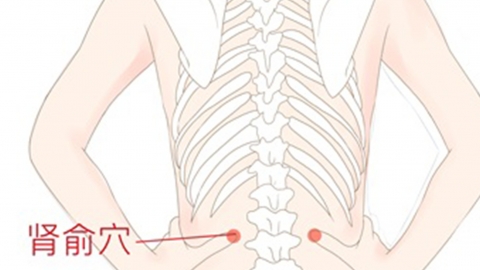
1. Shenshu (BL23)
Shenshu is located on the lower back, below the spinous process of the second lumbar vertebra, 1.5 cun lateral to the midline. As the back-shu point of the kidney, it is a specific acupoint where kidney qi is transported to the back. Massaging Shenshu can directly stimulate the meridian energy of the kidney, regulate kidney function, nourish the kidney and vital energy, strengthen the waist and kidneys, and help alleviate symptoms such as soreness and weakness of the waist and knees, dizziness, and tinnitus caused by kidney deficiency.
2. Guanyuan (CV4)
Guanyuan is located on the lower abdomen, on the anterior midline, 3 cun below the umbilicus. It is a meeting point of the Conception Vessel (Ren Mai) and the three yin meridians of the foot. It is the junction of the body's primordial yin and yang, and functions to strengthen the foundation, consolidate the root, and nourish the lower jiao. Massaging Guanyuan regulates the body's primordial energy and indirectly warms the kidney and enhances yang energy, which can help alleviate symptoms such as cold intolerance and frequent urination caused by kidney yang deficiency.
3. Qihai (CV6)
Qihai is located on the lower abdomen, on the anterior midline, 1.5 cun below the umbilicus. This acupoint has the function of replenishing vital energy and benefiting the kidney, as well as warming and nourishing the lower jiao. Massaging Qihai promotes the circulation of qi and blood, enhances the body's righteous energy, thus achieving the purpose of nourishing the kidney, consolidating essence, and strengthening primordial energy. It helps alleviate symptoms such as shortness of breath, fatigue, seminal emission, and premature ejaculation caused by kidney qi deficiency.
4. Yongquan (KI1)
Yongquan is located on the sole of the foot, in the depression of the front part of the sole when the foot is flexed, approximately at the junction point of the anterior one-third and posterior two-thirds along the line connecting the heel to the base of the second and third metatarsal toes. As the starting point of the kidney meridian, the qi of the kidney meridian originates here, like a spring gushing forth from the foot, nourishing the entire body. Massaging Yongquan stimulates the meridian energy of the kidney, nourishes yin and benefits the kidney, calms the liver and extinguishes wind, and guides fire back to its origin. It can help relieve symptoms such as five-center heat (palms, soles, chest), insomnia, and vivid dreams caused by kidney yin deficiency.
5. Taixi (KI3)
Taixi is located on the inner side of the foot, in the depression behind the medial malleolus between the ankle and the Achilles tendon. Taixi is the yuan-source point of the kidney meridian and the location where the kidney's original qi passes through and resides. Massaging Taixi nourishes kidney yin, enriches essence and marrow, regulates the yin-yang balance of the kidney, and improves various symptoms caused by kidney deficiency, such as pain in the waist and knees, dry throat, and thirst.
In daily life, one should avoid excessive fatigue, maintain a reasonable work and life rhythm, and prevent kidney qi damage caused by overexertion. If massage is needed, it is recommended to perform it under the guidance of a physician.





