


Can patients with intestinal polyps eat mulberries?
Apr 02, 2025
Source: Cainiu Health

Dr. Shen Yonghua
Introduction
Under normal circumstances, patients with intestinal polyps can consume mulberries, but should avoid excessive intake. Intestinal polyps are small growths that protrude from the surface of the colon mucosa, often asymptomatic, but with a risk of malignant transformation. The dietary fiber in mulberries helps promote intestinal motility, aiding patients with intestinal polyps in maintaining regular bowel movements and reducing intestinal pressure.
Generally, patients with intestinal polyps can consume mulberries, but they should avoid excessive intake. Detailed analysis is as follows:
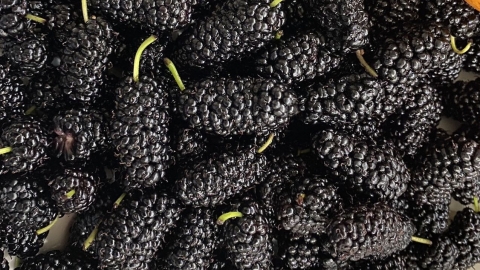
Intestinal polyps are small growths formed by protrusions of the colon mucosa. Usually, they do not cause discomfort symptoms, but they carry a risk of malignancy. Mulberries are rich in various nutrients, such as vitamins, dietary fiber, and anthocyanins. Among these, dietary fiber helps promote intestinal motility, assists patients with intestinal polyps in maintaining bowel regularity, and reduces intestinal pressure. Moreover, the nutrients in mulberries have positive effects on enhancing immune function and antioxidant activity, which can aid in postoperative recovery.
However, tannins present in mulberries may irritate the gastrointestinal mucosa, worsening local inflammation and hindering recovery. If patients with intestinal polyps consume excessive amounts of mulberries, it may burden the gastrointestinal system and affect disease recovery. Therefore, it is not recommended for intestinal polyp patients to consume large quantities of mulberries.
During treatment, patients with intestinal polyps should maintain a balanced, light, and easily digestible diet, along with good sleep habits and sufficient rest, which will aid in overall recovery.





