


Nutritional Value of Mulberries
Apr 18, 2025
Source: Cainiu Health

Dr. Yu Yongchao
Introduction
Mulberry fruit is rich in various vitamins including vitamin C, vitamin E, and vitamin A. Among them, vitamin C has antioxidant properties, enhances immunity, and promotes collagen synthesis; vitamin E is an important antioxidant that protects cells from free radical damage; vitamin A helps maintain normal vision and skin health.
Mulberry's nutritional value typically includes vitamins, minerals, anthocyanins, bioactive components, dietary fiber, and more.
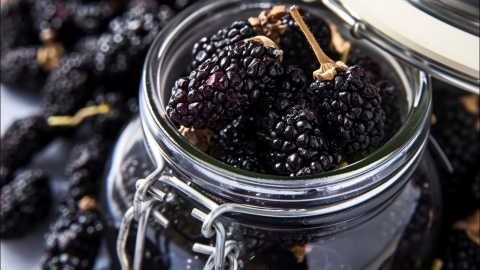
1. Vitamins: Mulberries are rich in various vitamins such as vitamin C, vitamin E, and vitamin A. Among these, vitamin C has antioxidant properties, enhances immunity, and promotes collagen synthesis; vitamin E is an important antioxidant that protects cells from free radical damage; vitamin A helps maintain normal vision and skin health.
2. Minerals: They contain various minerals such as calcium, iron, zinc, and potassium. Calcium is a key element for maintaining healthy bones and teeth; iron is an important raw material for synthesizing hemoglobin and helps prevent iron-deficiency anemia; zinc plays a significant role in promoting growth and development and maintaining normal taste and smell; potassium helps maintain normal heart function and osmotic pressure balance in the body.
3. Anthocyanins: Anthocyanins are natural antioxidants whose antioxidant capacity is stronger than many fruits. They can remove free radicals in the body, reduce oxidative stress reactions, help prevent cardiovascular diseases, delay aging, and have a positive effect on protecting the retina and preventing eye diseases.
4. Bioactive components: Such as resveratrol and flavonoids. Resveratrol has multiple physiological activities, including anti-inflammatory and antibacterial effects, and can inhibit tumor cell growth and prevent cardiovascular diseases; flavonoids have antioxidant, anti-allergic, and anti-inflammatory effects.
5. Dietary fiber: Dietary fiber helps promote intestinal peristalsis, prevent constipation, and reduce the occurrence of intestinal diseases. At the same time, it can increase satiety, aid in weight control, reduce the risk of obesity-related diseases, and play an important role in maintaining intestinal microecological balance.
Mulberries are not only delicious but also nutritionally rich. Eating them in moderation is greatly beneficial to health. However, due to their cold nature, individuals with spleen and stomach deficiency cold should consume them in moderation to avoid discomfort caused by excessive intake.







