Can I drink goji berry-infused water during my menstrual period?
Apr 23, 2025
Source: Cainiu Health

Dr. Zhang Lu
Introduction
Some women may have an allergic reaction to goji berries, so it is important to understand whether your body constitution is suitable before consumption. Goji berries have a certain blood-activating and stasis-resolving effect. If a woman has heavy menstrual bleeding, consuming goji berry water may further increase menstrual flow, potentially leading to adverse effects such as anemia during menstruation. Although goji berries offer various health benefits.
If a woman has a normal constitution without any special contraindications, she can generally drink goji berry-infused water during her menstrual period. However, if her constitution is unique or her menstrual flow is excessively heavy, it is typically not advisable. If any physical discomfort occurs, it is recommended to promptly visit a hospital and follow the doctor's instructions for appropriate management.
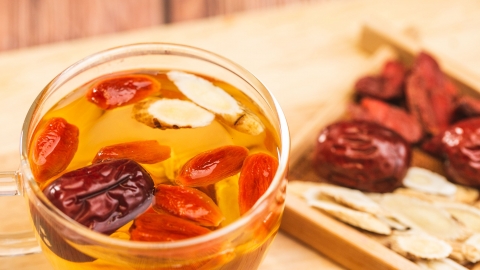
Goji berries offer various benefits, including nourishing the liver and kidneys, improving vision, and promoting blood health. For women with balanced constitutions and no special contraindications, moderate consumption of goji berry water during menstruation may help replenish nutrients, alleviate fatigue, and improve symptoms such as pallor. These nourishing effects may be particularly noticeable in women suffering from anemia or deficiency of blood and vital energy (Qi).
Some women may experience allergic reactions to goji berries, so it is important to assess one's constitution before consumption. Goji berries have a certain blood-activating and stasis-resolving effect; therefore, women experiencing heavy menstrual bleeding should avoid drinking goji berry water, as it may further increase menstrual flow and potentially lead to adverse effects such as menstrual-related anemia. Although goji berries provide multiple health benefits, excessive consumption may cause negative effects, including symptoms of "internal heat" (heatiness), gastrointestinal discomfort, and allergic reactions.
Maintaining healthy dietary habits and lifestyle practices, along with balanced intake of various nutrients, contributes to maintaining menstrual health.