


What type of HPV causes filiform warts?
Sep 05, 2025
Source: Cainiu Health

Dr. Liu Wenmin
Introduction
In general, filiform warts are caused by infection with low-risk types of human papillomavirus (HPV), primarily HPV types 1, 2, and 4, with a few cases resulting from HPV type 7. These subtypes are all classified as low-risk and are not associated with carcinogenicity. Since these HPV subtypes are mainly transmitted through skin-to-skin contact, it is advisable to avoid sharing personal items such as towels and clothing with others in daily life.
Generally, filiform warts are caused by infection with low-risk types of human papillomavirus (HPV), primarily types 1, 2, and 4, with a few cases resulting from HPV type 7. These subtypes are all categorized as low-risk and are not associated with carcinogenicity. A detailed analysis is as follows:
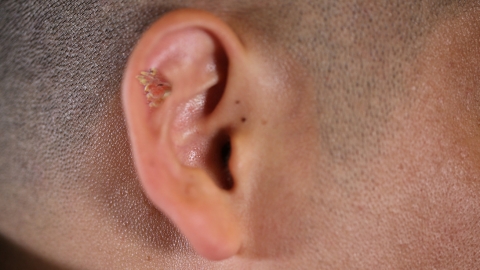
HPV types 1 and 2 are the most common subtypes responsible for filiform warts. These viruses primarily affect the surface of the skin and tend to develop in areas prone to friction or skin folds, such as the neck, eyelids, and armpits. After infection, the virus stimulates abnormal proliferation of skin cells, forming slender, soft, thread-like wart growths. These usually cause no significant pain or itching but mainly affect appearance.
HPV types 4 and 7 can also cause filiform warts. Among them, HPV type 4 may additionally cause common warts, while HPV type 7 is relatively rare in the general population. The warts caused by these types resemble those caused by other subtypes, typically presenting as slender, soft, thread-like growths projecting from the skin surface, with coloration close to normal skin tone or slightly darker.
As these HPV subtypes are mainly transmitted through direct skin contact, it is important to avoid sharing personal items such as towels and clothing with others in daily life, minimize skin injuries, and maintain clean, dry skin.



