What are the methods for managing foreign bodies in the external auditory canal?
Nov 27, 2025
Source: Cainiu Health

Dr. Lu Cheng
Introduction
Foreign body in the external auditory canal should be managed according to the type of object, generally using safe methods such as gentle irrigation, forceps removal under specific circumstances, insect extraction techniques, light-guided removal, and avoiding self-removal with probing. If the foreign body is a small particle and located superficially, slow irrigation of the external auditory canal with warm normal saline may be performed under medical guidance or when tympanic membrane injury has been clearly ruled out.
Foreign body in the external auditory canal should be managed according to the type of object, using safe methods such as gentle irrigation, specialized forceps removal under certain conditions, insect extraction techniques, light-guided removal, and avoiding self-removal by digging. Specific approaches are as follows:
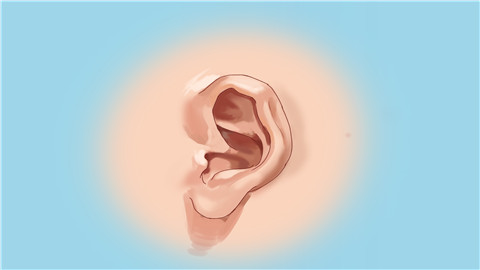
1. Gentle Irrigation Method: If the foreign body is a small particle and located superficially, warm normal saline can be used to gently irrigate the external auditory canal under medical guidance or when there is no evidence of eardrum damage. During irrigation, position the affected ear downward and allow the fluid to flow slowly from the outer side of the ear canal, carrying the object out with the stream. Avoid using high-pressure water flow that may impact the eardrum.
2. Forceps Removal Under Specific Conditions: For larger solid objects with regular edges located in the outer portion of the ear canal where they are easily visible, another person may carefully remove them using sterilized fine-tipped forceps. The patient's head must be stabilized during the procedure, and movements should be gentle and slow to avoid fragmenting the object or injuring the ear canal skin.
3. Insect Extraction Method: If the foreign body is a live insect, in a dark environment, a flashlight can be held near the outer side of the affected ear to exploit the insect’s phototaxis and encourage it to crawl out on its own. If the insect does not respond, a small amount of warm olive oil can be instilled to suffocate it before further management, preventing injury caused by insect movement within the ear canal.
4. Light-Guided Removal Method: For transparent or light-colored foreign bodies adhering to the shallow part of the external auditory canal, a bright flashlight can be used to illuminate the canal and clearly identify the object’s location. A clean cotton swab can then be used to gently lift it out. Take care to touch only the object with the swab and avoid inserting it deeply into the ear canal, which could push the object further inward.
5. Avoid Self-Digging: After detecting a foreign body in the external auditory canal, never attempt to remove it using sharp or elongated objects such as cotton swabs, hairpins, or toothpicks. Such attempts often push the object deeper into the ear canal, scratch the ear canal skin, or damage the eardrum, increasing the difficulty of subsequent treatment. Preferably use gentle methods or seek professional medical assistance.
Remain calm when dealing with foreign bodies in the external auditory canal. If the object cannot be removed safely at home, or if symptoms such as ear pain, bleeding, or hearing loss occur, seek immediate medical attention.