


Does everyone have pseudofolliculitis?
Nov 28, 2025
Source: Cainiu Health

Dr. Liu Wenmin
Introduction
Pseudocondyloma frequently occurs on the inner labia minora and vestibule in females, presenting as densely clustered granular or velvety small papules with color similar to the surrounding skin. This type of hyperplasia is usually triggered by vaginal inflammation, prolonged irritation from secretions, or hormonal fluctuations. It is a benign condition, non-contagious, and in most cases does not cause significant discomfort.
Generally, not everyone will develop pseudovesicular condyloma; its occurrence is related to individual physiological conditions and local environmental factors. If any abnormalities are noticed, it is recommended to seek medical advice promptly. Detailed analysis is as follows:
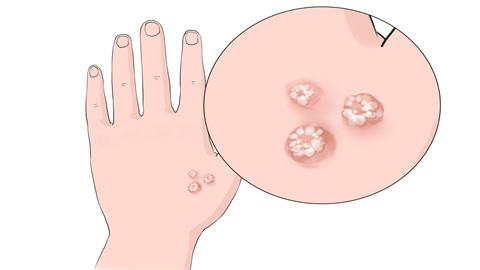
Pseudovesicular condyloma most commonly occurs on the inner labia minora and vestibule of the vagina in females, presenting as densely packed, sand-like or velvet-like small papules, with color similar to the surrounding skin. These growths are usually triggered by vaginal inflammation, prolonged irritation from secretions, or hormonal fluctuations. They are benign lesions, non-contagious, and typically do not cause significant discomfort.
Some individuals may be more prone to developing pseudovesicular condyloma due to unique anatomical structures or poor local hygiene. For example, prolonged exposure to moist environments, increased secretions without timely cleaning, or chronic vaginitis can all increase the likelihood of occurrence. However, healthy individuals who maintain good hygiene habits generally do not develop such symptoms.
In daily life, it's important to keep the external genital area clean and dry, avoiding excessive cleaning or the use of irritating products. If similar symptoms are noticed, do not self-medicate or attempt treatment on your own. Seek prompt medical evaluation to accurately determine the nature of the condition and prevent misdiagnosis or delayed treatment.


