Can ginger tea be taken together with fever-reducing medication?
Dec 09, 2025
Source: Cainiu Health

Dr. Sun Lianqing
Introduction
In general, whether ginger soup and fever-reducing medication can be taken together depends on the individual patient's specific condition. If any discomfort occurs, it is recommended to seek medical attention promptly. During fever, drink plenty of warm water, eat light and easily digestible food, and ensure adequate rest. Fever-reducing medications should be taken strictly according to the prescribed dosage and time intervals. It is advisable to consult a healthcare professional before consuming ginger soup, and discontinue use and seek medical help immediately if any adverse reactions occur.
Generally, whether ginger soup can be taken together with fever-reducing medication depends on the individual patient's specific condition. If any discomfort occurs, it is recommended to seek medical attention promptly. The detailed analysis is as follows:
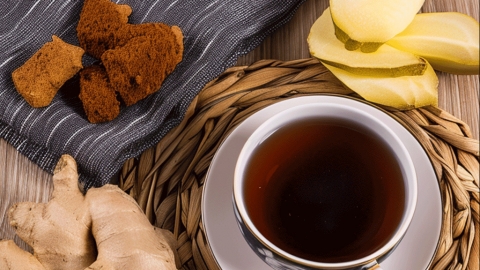
If a patient has a low-grade fever caused by a cold due to wind-cold invasion, without obvious heat-related symptoms such as sore throat, and is taking acetaminophen-based antipyretics, it may be acceptable to drink a moderate amount of warm ginger soup 1–2 hours after taking the medication. Ginger soup helps dispel cold and warm the body, promotes sweating and heat dissipation, and thus complements the fever reducer. It may also help alleviate mild gastrointestinal discomfort that could be caused by the medication. However, the ginger soup should not be too strong or too hot.
However, if the patient has a wind-heat type cold accompanied by high fever, red and swollen sore throat, or is taking medications such as ibuprofen, ginger soup must not be consumed at the same time. Since ginger soup is warming in nature, it may aggravate heat-related symptoms and potentially interfere with drug metabolism, increasing the burden on the liver and kidneys. Patients who are allergic to antipyretic ingredients or have gastrointestinal disorders should also avoid this combination.
During fever, drink plenty of warm water, maintain a light and easily digestible diet, and ensure adequate rest. Antipyretics should be taken strictly according to the recommended dosage and intervals. Before consuming ginger soup, it is best to consult a healthcare professional, and discontinue use and seek medical advice immediately if any adverse reactions occur.