


Can psoriasis be inherited by the next generation?
Jun 23, 2026
Source: Cainiu Health

Dr. Liu Wenmin
Introduction
Psoriasis generally has a genetic predisposition, but it is not absolutely hereditary. If you experience any discomfort or symptoms, seek medical attention promptly. Maintaining a stable and balanced lifestyle can help reduce the occurrence of skin abnormalities. Adhere to regular sleep patterns, sustain a stable immune function, and avoid prolonged熬夜 (staying up late) and excessive fatigue. Ensure adequate skin hydration and protection.
Generally, psoriasis has a genetic predisposition, but it is not absolutely hereditary. If you experience any discomfort or symptoms, prompt medical consultation is recommended. A detailed analysis follows:
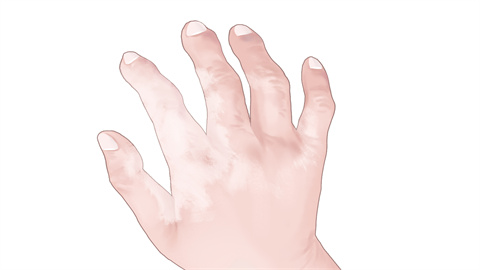
Specific susceptibility genes increase the likelihood of developing psoriasis; thus, individuals with affected relatives carrying these pathogenic genes face a higher risk of onset. However, most carriers merely possess an inherent susceptibility—without abnormal external triggers, their immune system remains stable, skin metabolism functions normally, and no psoriatic skin lesions occur. The development of psoriasis results from the combined influence of multiple acquired (environmental and lifestyle) factors; a single genetic factor alone cannot directly trigger the disease.
Maintaining a stable, balanced lifestyle helps reduce the occurrence of skin abnormalities. Adhere to regular sleep-wake cycles and sustain optimal immune function; avoid chronic sleep deprivation and excessive physical fatigue. Practice diligent skin moisturization and protection to minimize dryness, trauma, and frequent friction. Follow a light, bland diet, avoiding spicy or irritating foods, thereby promoting metabolic and immune stability and lowering the risk of psoriasis flare-ups.


