


How to Improve Hair Loss
Aug 20, 2026
Source: Cainiu Health

Dr. Liu Wenmin
Introduction
Hair loss can be improved through various approaches, including adjusting lifestyle and sleep patterns, optimizing dietary habits, performing physical scalp care, using medications appropriately and consistently, and undergoing medical aesthetic or surgical interventions. Given the complex and multifactorial causes of hair loss, treatment plans should be tailored to individual circumstances. If hair loss persists or significantly worsens, prompt medical consultation is strongly advised. Ensure adequate sleep and eliminate chronic late-night habits—sleep deprivation can…
Addressing hair loss involves a multifaceted approach, including adjusting daily routines, optimizing dietary habits, performing physical scalp care, using medications appropriately, and considering aesthetic medical interventions. Given the complex and varied causes of hair loss, individuals should select suitable strategies based on their specific circumstances. If hair shedding persists or significantly increases, prompt medical consultation is strongly advised.
1. Adjust Daily Routines: Ensure adequate sleep and eliminate chronic late-night habits. Sleep deprivation disrupts endocrine function and places additional stress on hair follicles. Learn effective techniques to manage psychological stress—prolonged anxiety and tension accelerate hair shedding. Minimize frequent perming and dyeing; avoid excessive traction on hair (e.g., overly tight hairstyles) to reduce external damage to hair follicles.
2. Optimize Dietary Habits: Maintain balanced meals throughout the day, emphasizing high-quality protein, iron, zinc, and various vitamins essential for healthy hair growth. Incorporate lean meats, eggs, soy products, and fresh fruits and vegetables into your daily diet, while limiting intake of high-fat and high-sugar foods. Sufficient nutritional support provides the fundamental foundation for follicular health and helps maintain optimal hair condition.
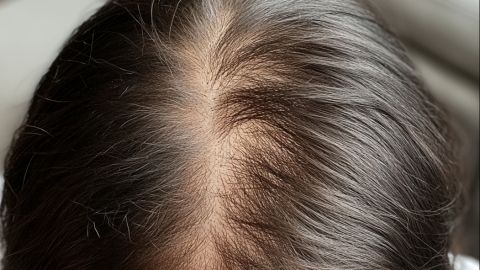
3. Physical Scalp Care: Maintain proper scalp hygiene—adjust shampoo frequency according to individual sebum production levels. Avoid both over-washing and prolonged intervals between washes. Gently massage the scalp to enhance local blood circulation. Choose mild, non-irritating hair care products, and use lukewarm water (not excessively hot) when washing to minimize scalp irritation and foster an optimal microenvironment for follicular health.
4. Appropriate Medication Use: For noticeable hair loss, topical or oral medications may be prescribed under physician supervision. Consistent, cycle-based usage is essential, as hair regrowth is inherently slow and requires patience and careful monitoring. Self-prescribing unverified folk remedies is strongly discouraged, as some may irritate or damage the scalp and potentially worsen hair loss.
5. Aesthetic Medical Interventions: When pharmacological treatments yield limited results and follicular miniaturization or closure has occurred, hair transplantation surgery may be considered. This procedure involves harvesting healthy hair follicles from donor areas and transplanting them into balding regions. Postoperative scalp care remains critical. Strict adherence to physicians’ postoperative instructions—including lifestyle adjustments in sleep, diet, and stress management—is vital to ensure graft survival and long-term success.
In daily life, minimize prolonged sun exposure to the scalp, avoid harsh or highly stimulating hair care products, maintain emotional stability, commit to consistent long-term management, monitor hair volume regularly, and refrain from unrealistic expectations of rapid hair regrowth.



