


Is the inability to raise the arm due to a joint problem?
Sep 04, 2026
Source: Cainiu Health

Dr. Chen Jian
Introduction
Limited arm elevation is not solely due to joint problems; abnormalities in the shoulder joint, muscles, tendons, or nerves can all cause restricted movement. Joint pathology is merely one common contributing factor and cannot be used alone to determine the underlying cause. Persistent arm stiffness and weakness, along with worsening functional limitations, warrant prompt medical evaluation to identify the cause and initiate appropriate treatment.
Difficulty raising the arm normally is not solely due to joint problems; abnormalities in the shoulder joint, muscles, tendons, or nerves can all lead to restricted movement. Joint pathology is merely one common contributing factor—not the sole determinant of the underlying cause. Persistent stiffness and weakness in the arm, along with progressively worsening mobility limitations, warrant prompt medical evaluation to identify and treat the root cause.
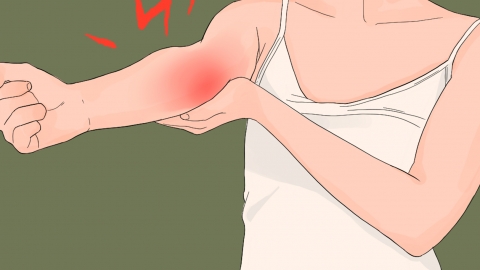
Shoulder joint degeneration, joint effusion (fluid accumulation), and capsular adhesions directly restrict arm elevation and are often accompanied by dull joint pain and “catching” or “locking” sensations during movement. Rotator cuff tendon injuries and deltoid muscle strain are even more common causes in daily life, frequently triggered by overuse, excessive stretching, or exposure to cold. Nerve compression or cervical spine disorders may impair upper-limb strength, resulting in difficulty lifting the arm and numbness or tingling in the affected limb.
Interventions vary depending on the underlying cause: joint inflammation is primarily managed through rest and anti-inflammatory therapy; muscle and tendon injuries benefit from physical therapy and targeted muscle relaxation to support healing; cervical spine and nerve-related issues require specific interventions to improve cervical alignment and relieve nerve compression. In daily life, minimize heavy lifting and prolonged static postures to prevent cumulative musculoskeletal injury.
Incorporate gentle, regular shoulder-stretching exercises into your routine to alleviate muscular stiffness. Keep the shoulders and neck adequately warm—avoid direct exposure to cold drafts—and maintain proper posture to reduce repetitive strain on the shoulder and preserve normal upper-limb function.


