


What does HBV DNA testing mean?
May 12, 2022
Source: Cainiu Health

Dr. Jin Zhongkui
Introduction
HBV DNA testing refers to the quantification of hepatitis B virus (HBV), a DNA virus. Viral load is primarily determined by measuring the level of HBV DNA in the blood. A higher HBV DNA level indicates a higher viral load, whereas a lower HBV DNA level suggests reduced infectivity. Following standard antiviral therapy, if the HBV DNA level falls below the assay’s detection limit and liver function tests are completely normal, this typically reflects successful viral suppression.
Hepatitis B virus (HBV) infection is relatively common. Once diagnosed, patients should undergo regular follow-up examinations at the hospital as directed by their physician to assess disease severity.
What does HBV DNA testing mean?
HBV DNA testing measures the amount of hepatitis B viral DNA in the blood—i.e., the viral load. A higher HBV DNA level indicates a greater viral load, whereas a lower level suggests reduced infectivity. Following standard antiviral therapy, if HBV DNA falls below the assay’s detection limit and liver function tests normalize completely, this generally indicates successful control of hepatitis B. Conversely, elevated HBV DNA levels with normal liver function may suggest an inactive carrier state.
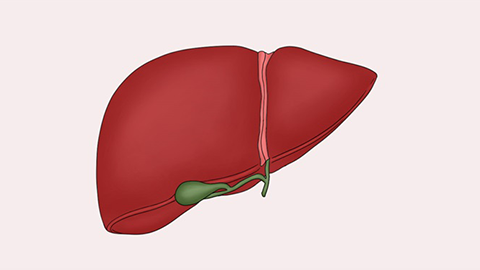
In such cases, treatment may not be required; instead, periodic monitoring suffices. However, if HBV DNA levels remain high alongside recurrent abnormalities in liver function tests, this signifies active hepatitis requiring standardized antiviral treatment. The normal reference range for quantitative HBV DNA testing is typically <103 copies/mL (i.e., <1,000 copies/mL).
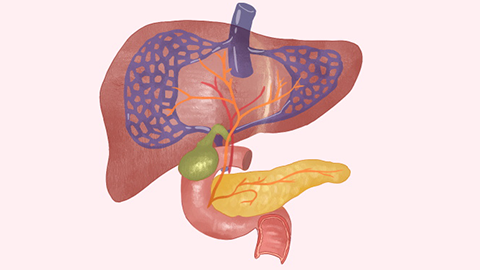
Nonetheless, clinical interpretation must be individualized. Some patients may require ultrasensitive assays, which vary in detection limits—some can detect down to 500 copies/mL or lower, while others reach sensitivity thresholds as low as 100 copies/mL. We hope this information proves helpful!



