


Can I eat mung beans during my menstrual period?
May 20, 2025
Source: Cainiu Health

Dr. Zhang Lu
Introduction
In general, women can consume mung beans in moderation during their menstrual period, but should pay attention to the amount consumed and consider individual physical conditions. Mung beans are rich in protein, carbohydrates, vitamins, and other nutrients, which can help replenish nutrients lost during menstruation and support normal physiological functions. According to traditional Chinese medicine, mung beans have a diuretic effect and can help promote urination.
Generally speaking, it is acceptable to consume moderate amounts of mung beans during menstruation, but intake should be moderate and individual physical conditions considered. Detailed analysis is as follows:
Mung beans are rich in protein, carbohydrates, vitamins, and other nutrients, which can help replenish nutrients lost during menstruation and maintain normal physiological functions. In traditional Chinese medicine, mung beans are believed to have diuretic properties, helping to relieve possible edema symptoms during the menstrual period by promoting urine excretion.
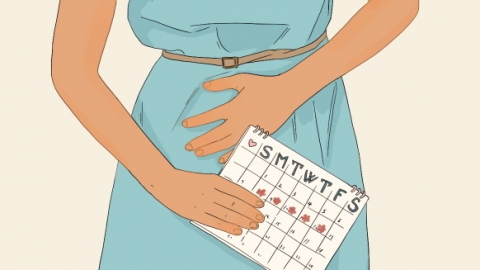
However, mung beans are relatively cooling in nature, and excessive consumption may cause cold uterus, leading to abnormal contraction of the uterine smooth muscle, which may trigger or worsen dysmenorrhea symptoms, accompanied by discomfort such as low back pain, abdominal pain, and bloating. It is recommended that daily intake not exceed 100 grams to avoid excessive accumulation of cold properties.
Some women may be particularly sensitive to cold foods. Consuming mung beans may worsen dysmenorrhea or cause menstrual irregularities. These women should consume mung beans cautiously or pair them with warm-natured foods to neutralize their cooling effects.
Diet during menstruation should primarily be warm in nature and easy to digest. Those unsure of their body constitution can start with a small amount and observe their physical response. If discomfort persists during menstruation, it is recommended to consult a doctor.




